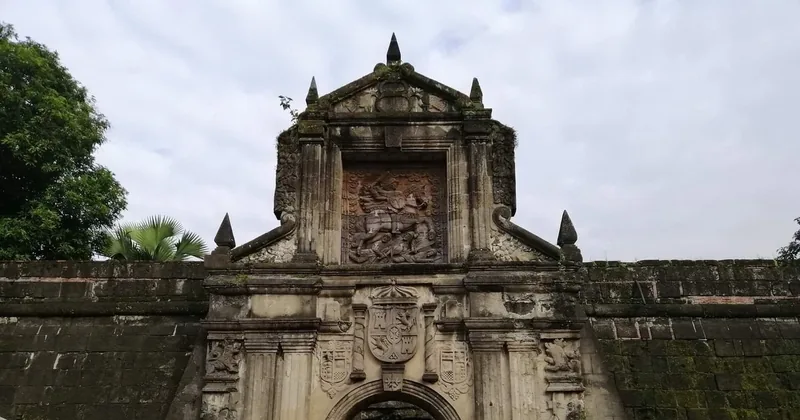
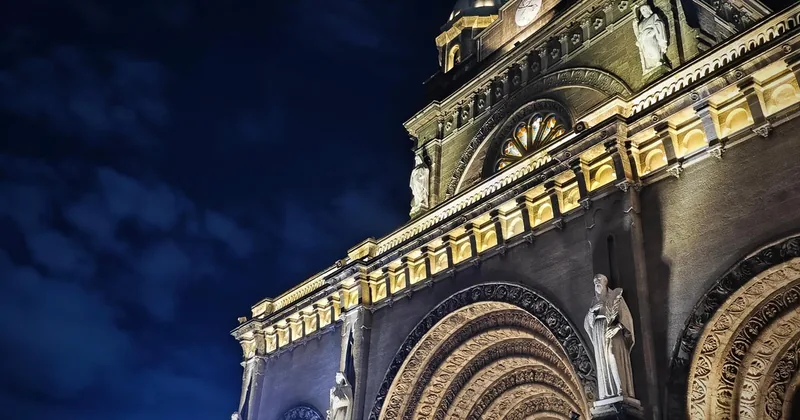
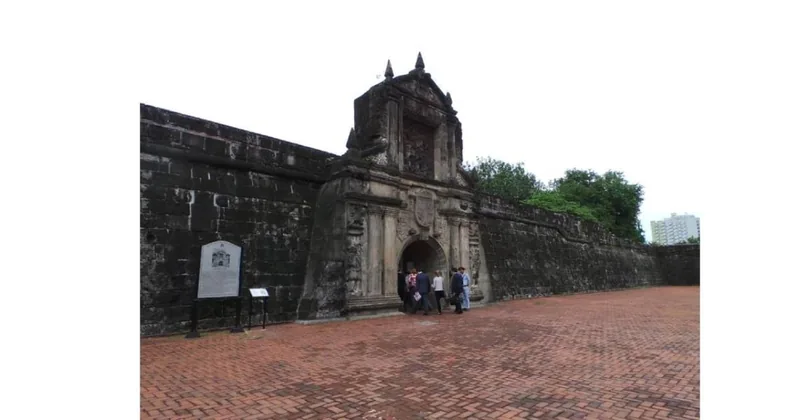
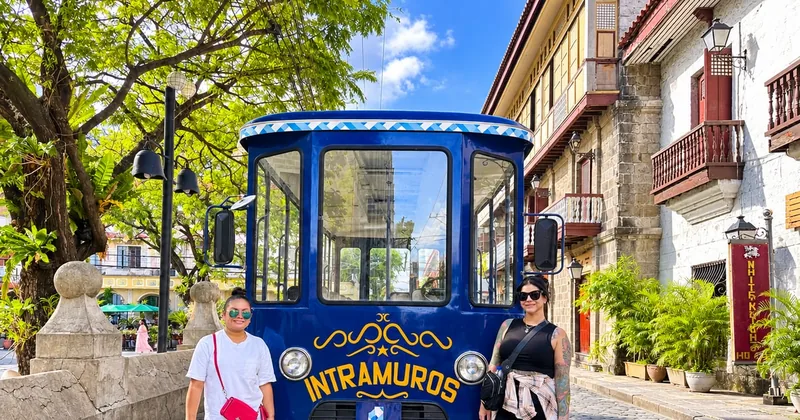
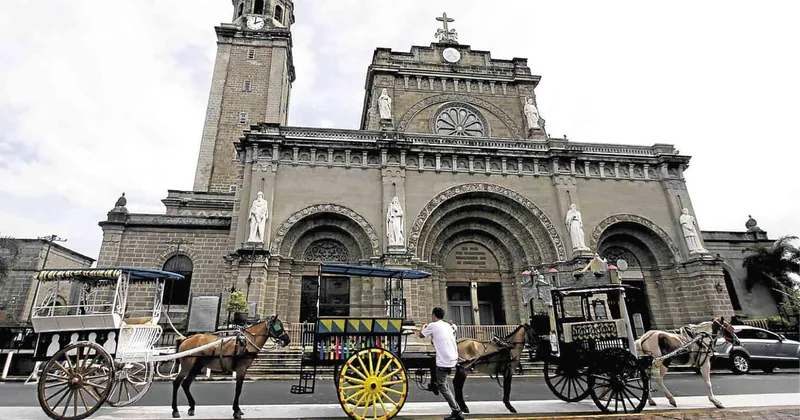
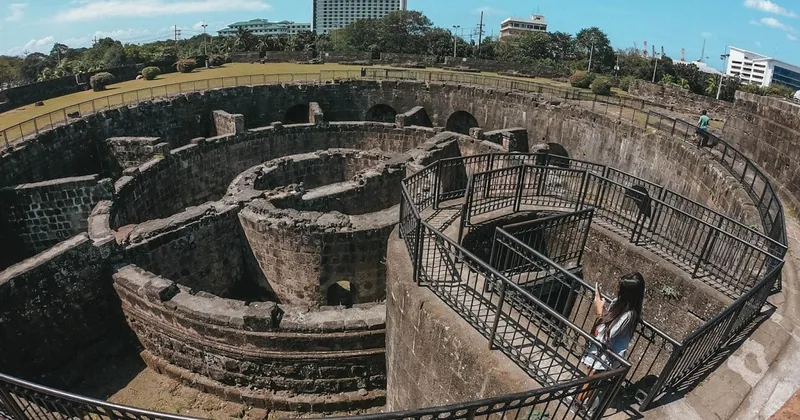
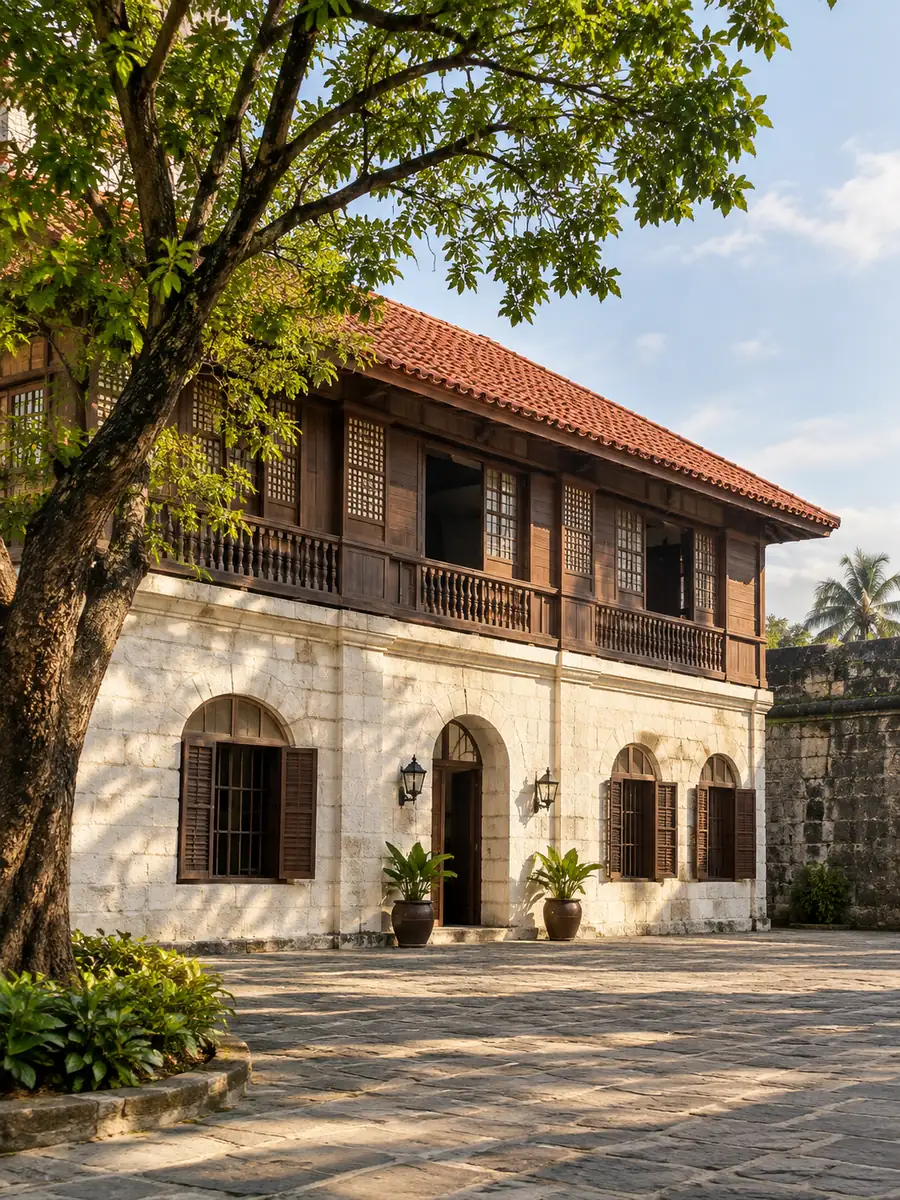
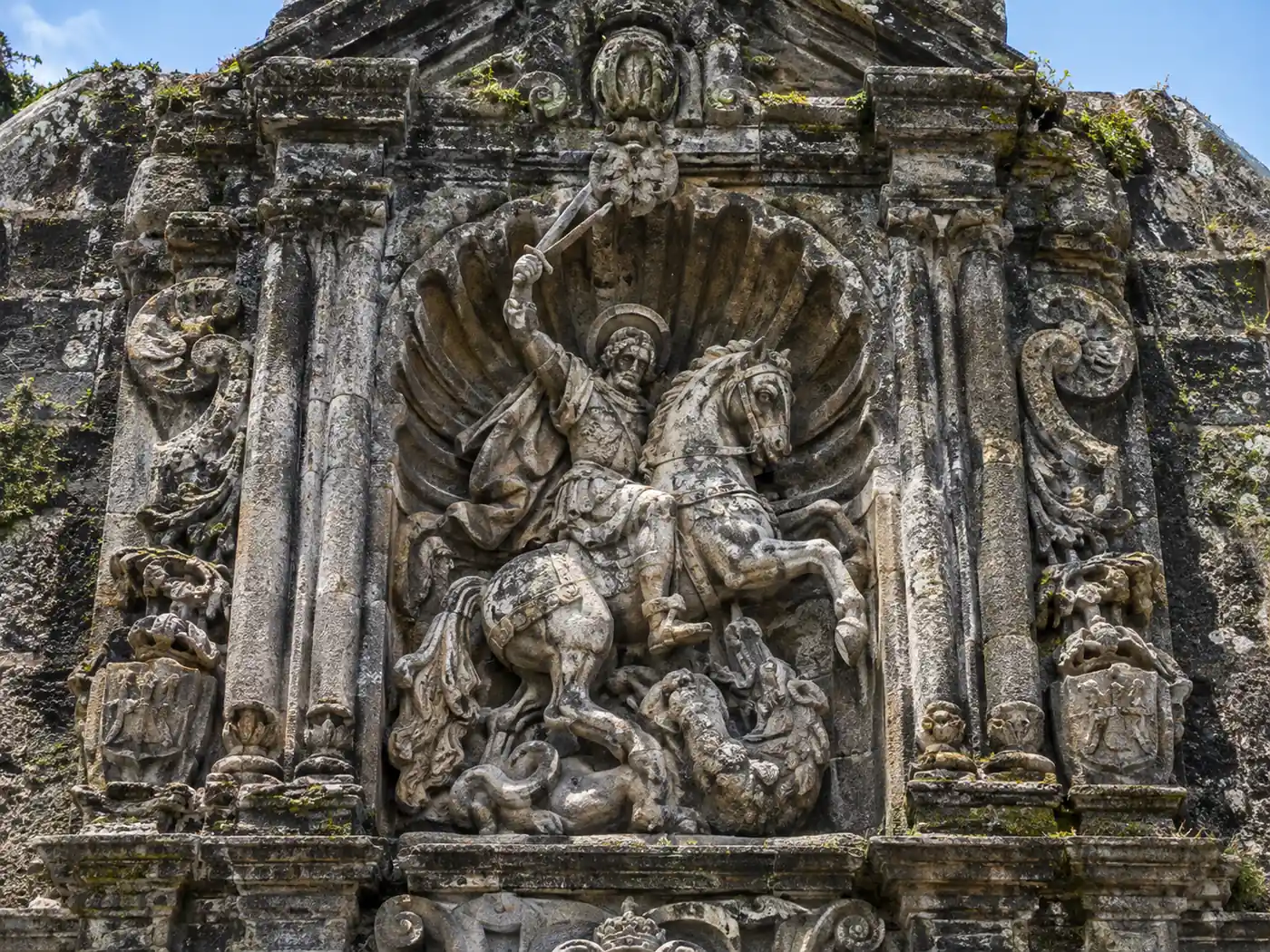
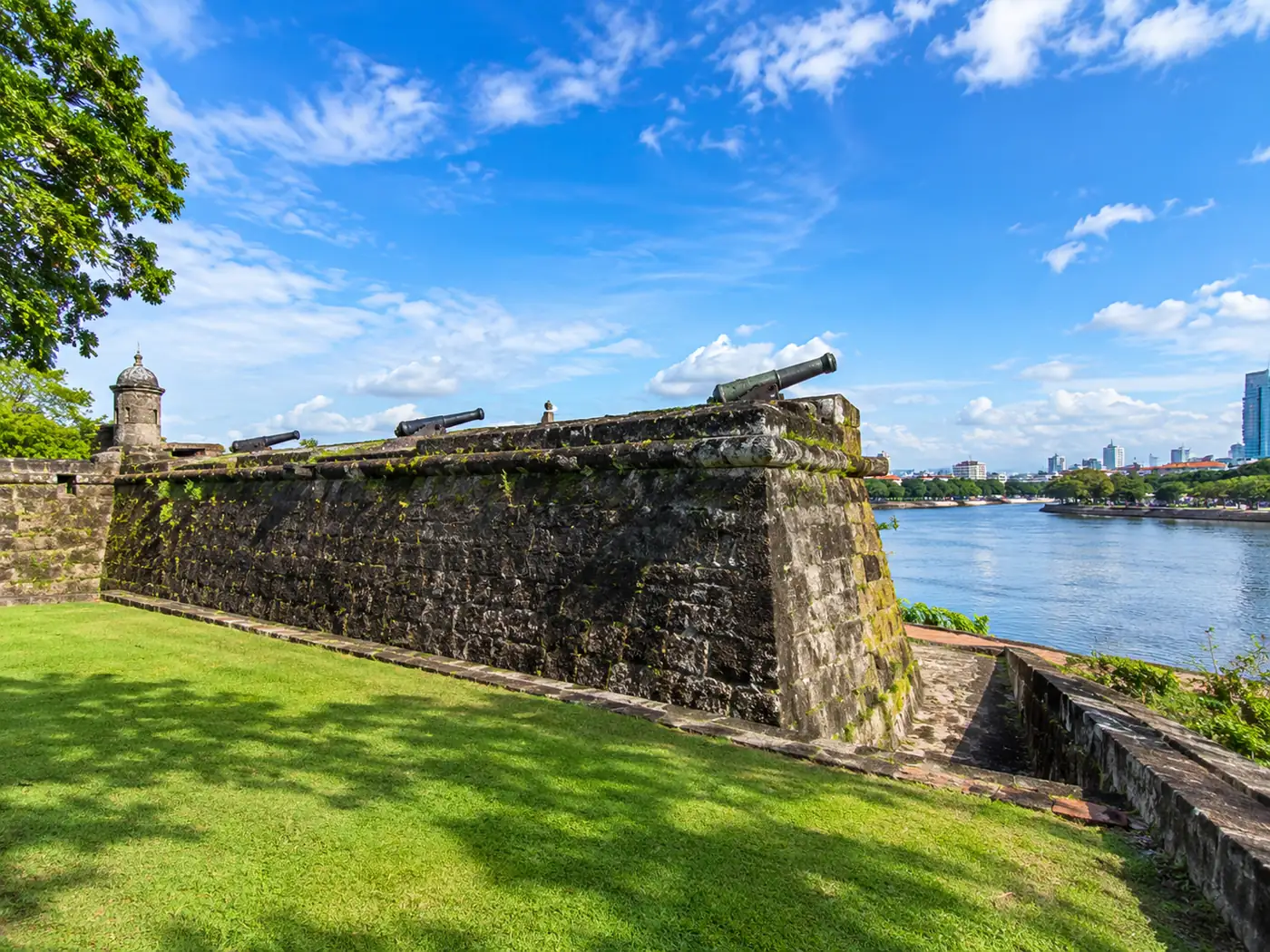
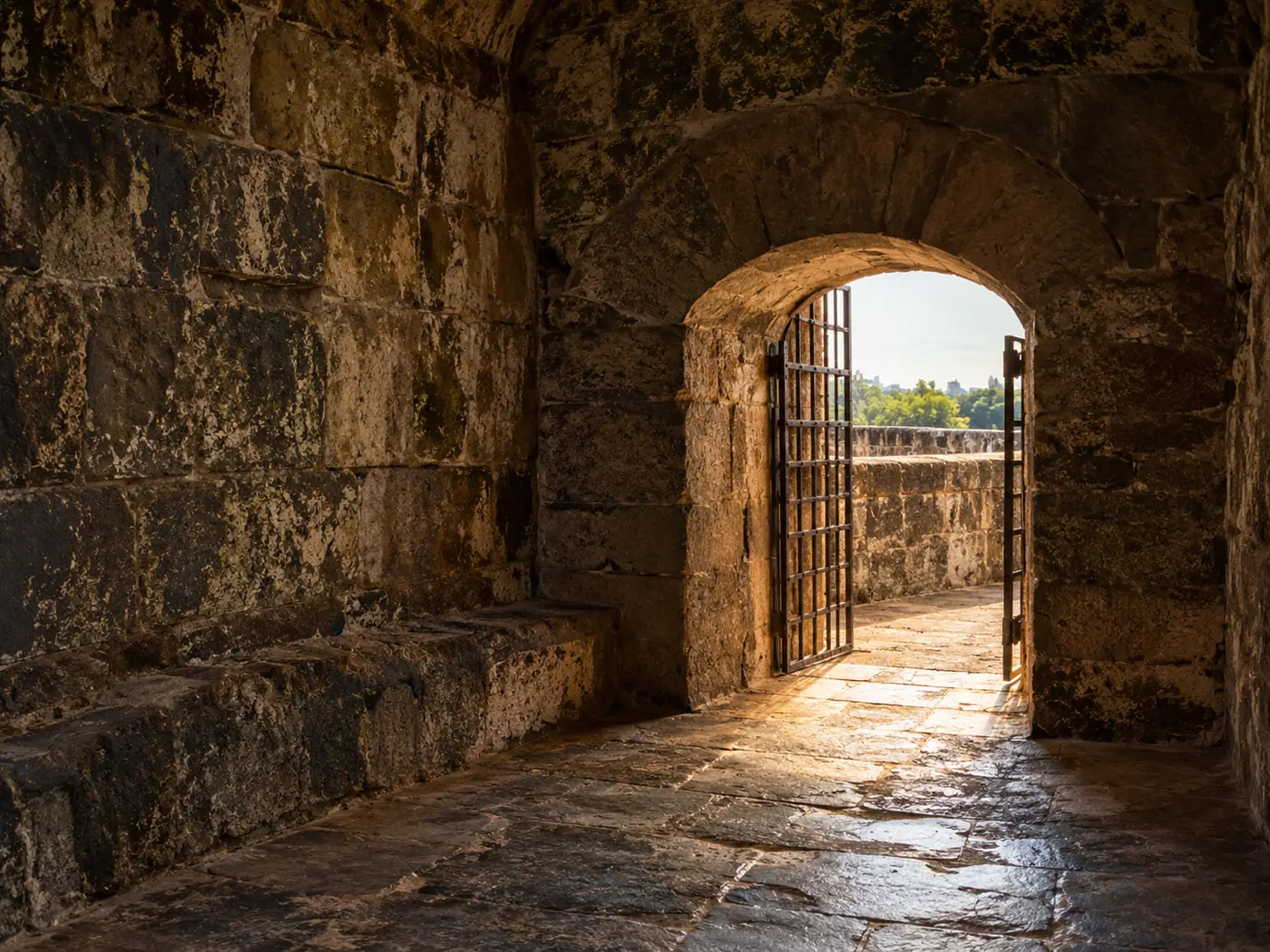
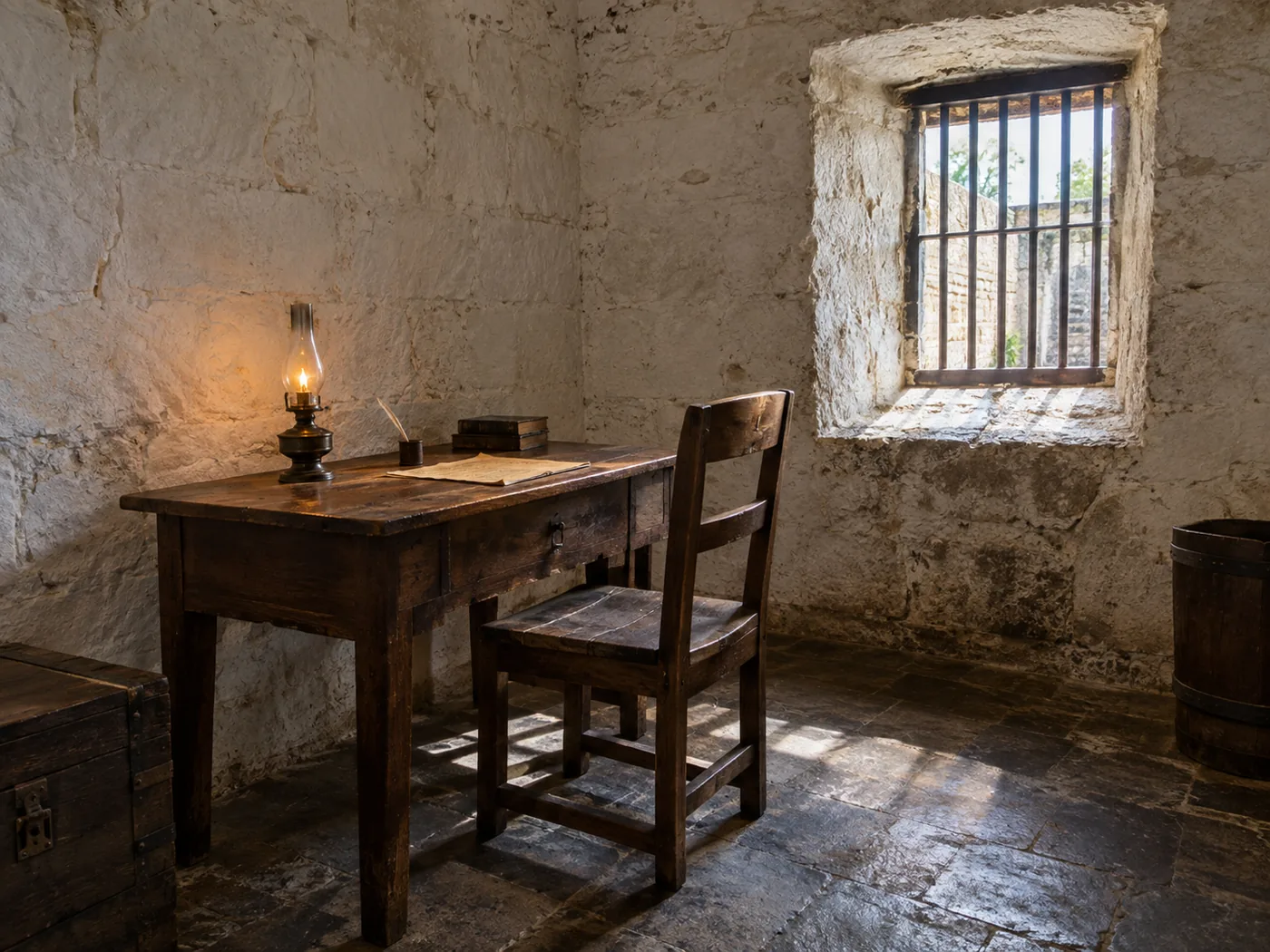
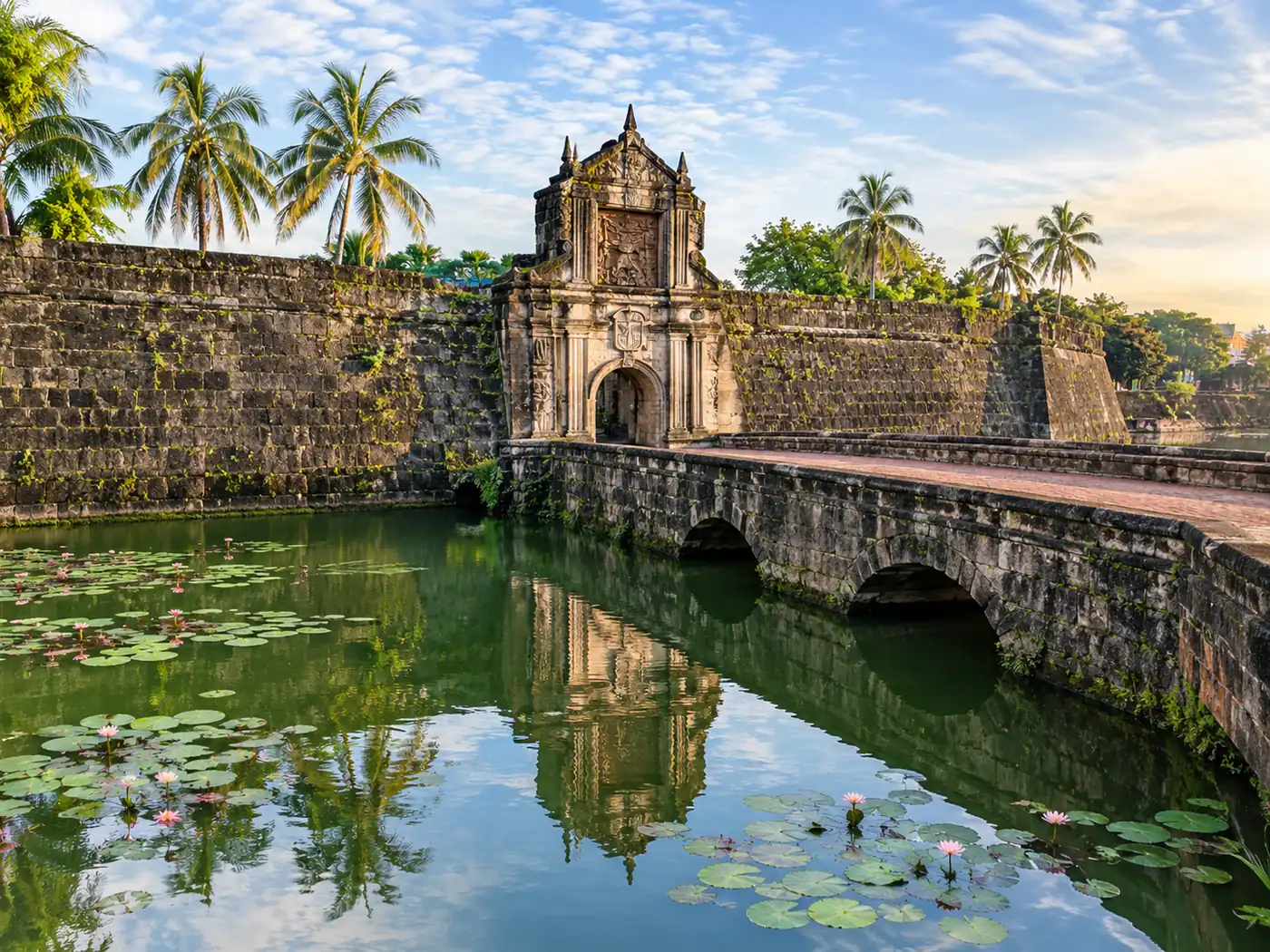
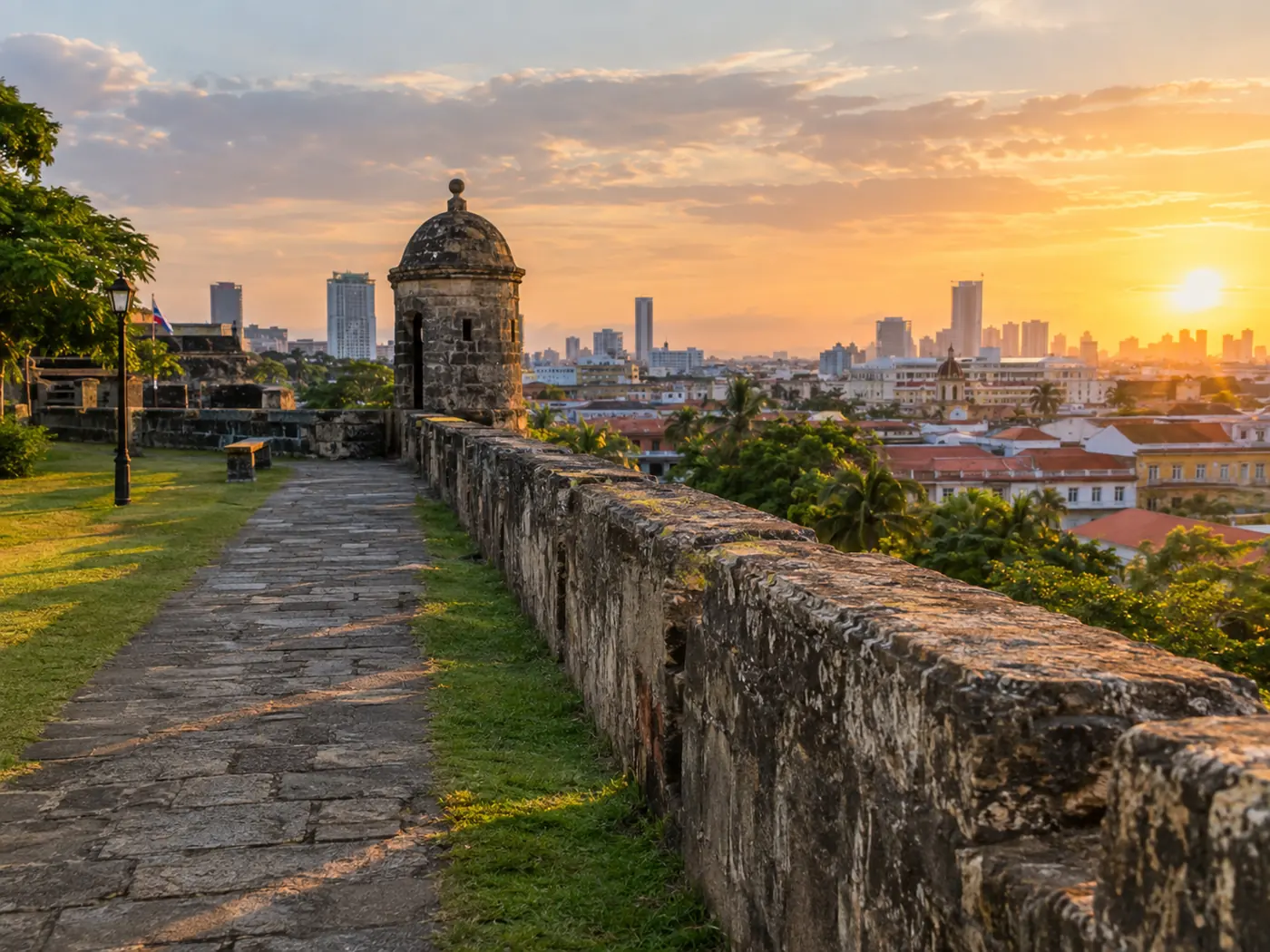
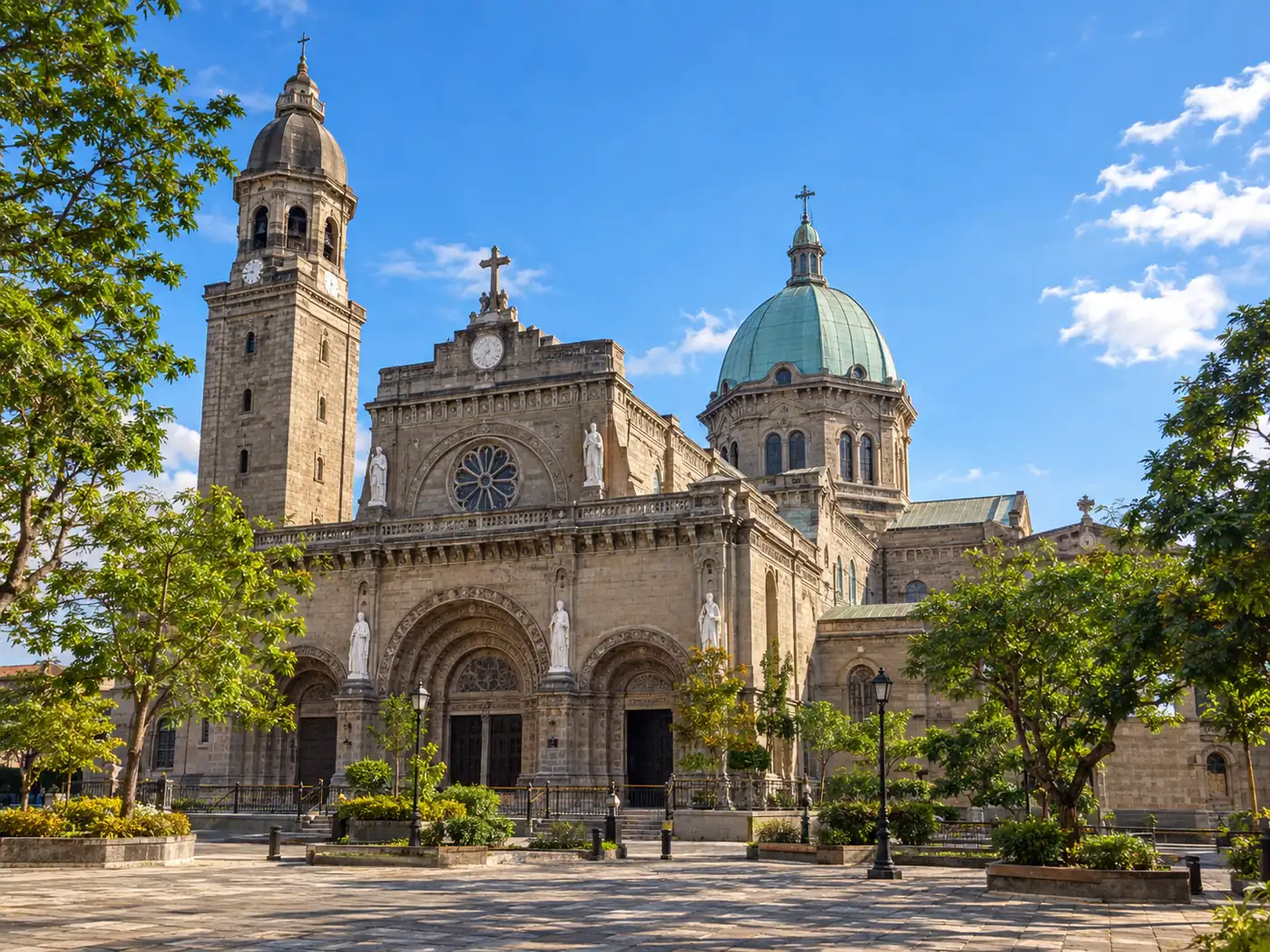
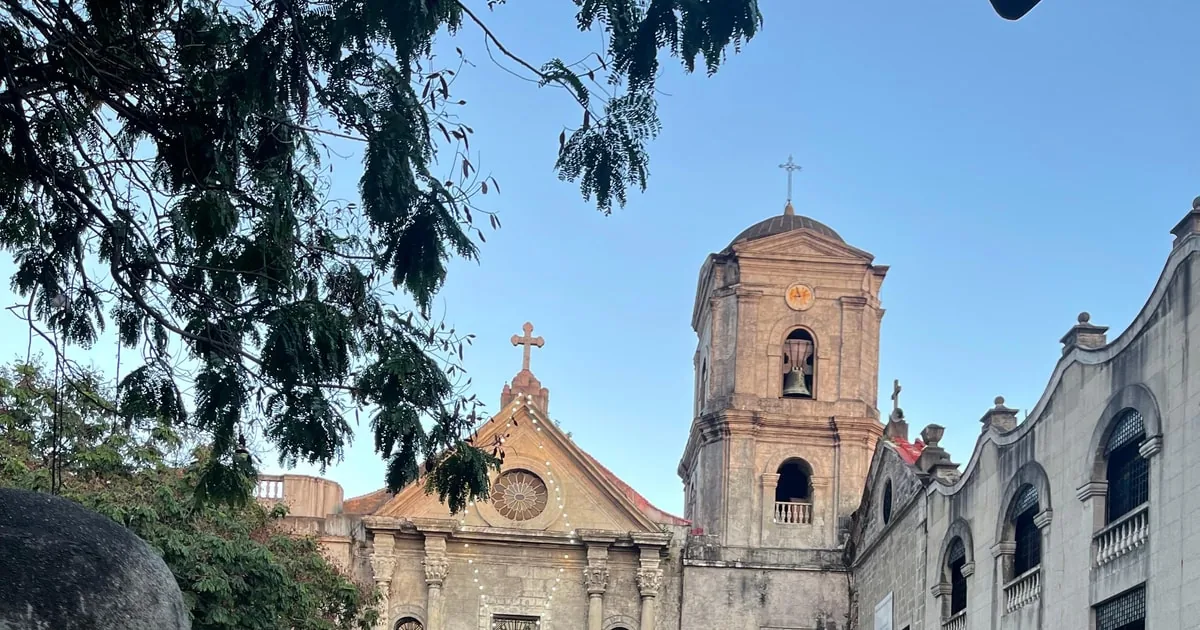
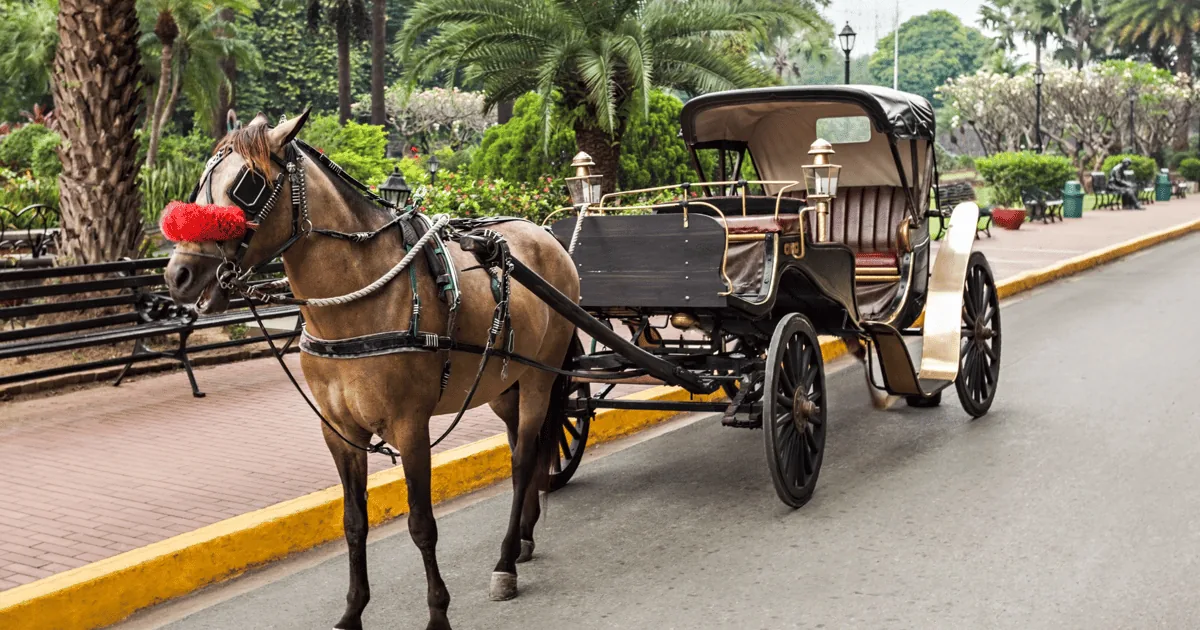
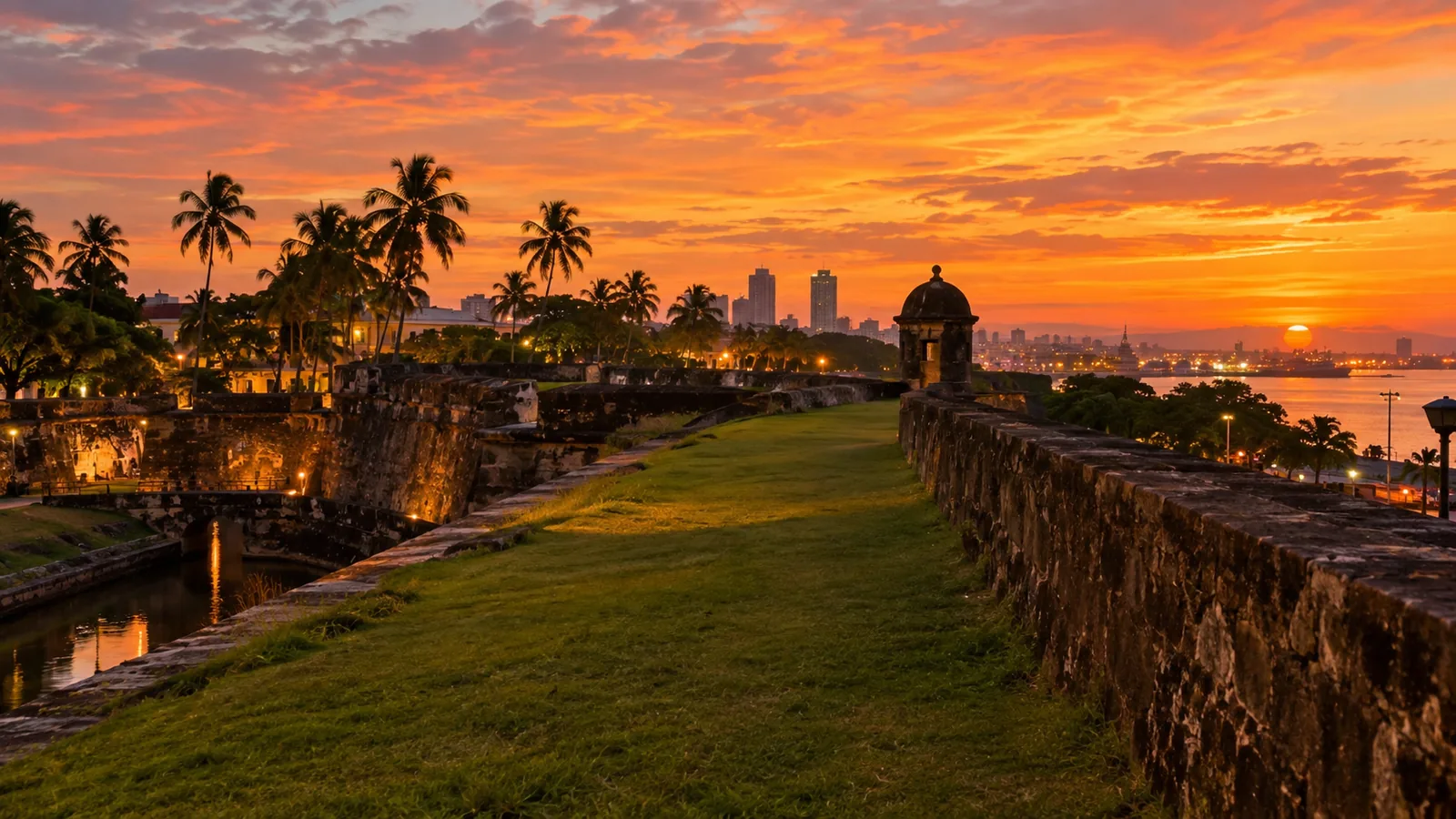
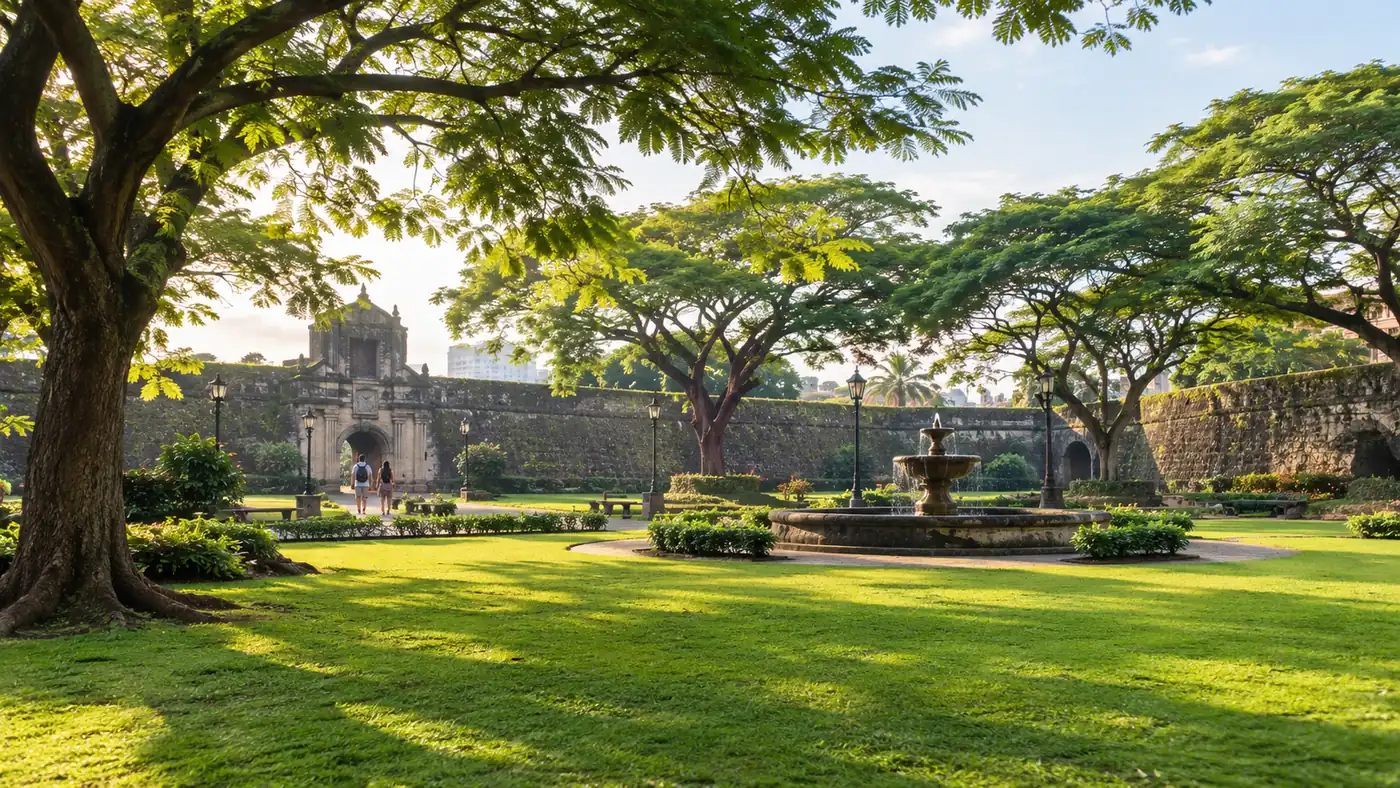
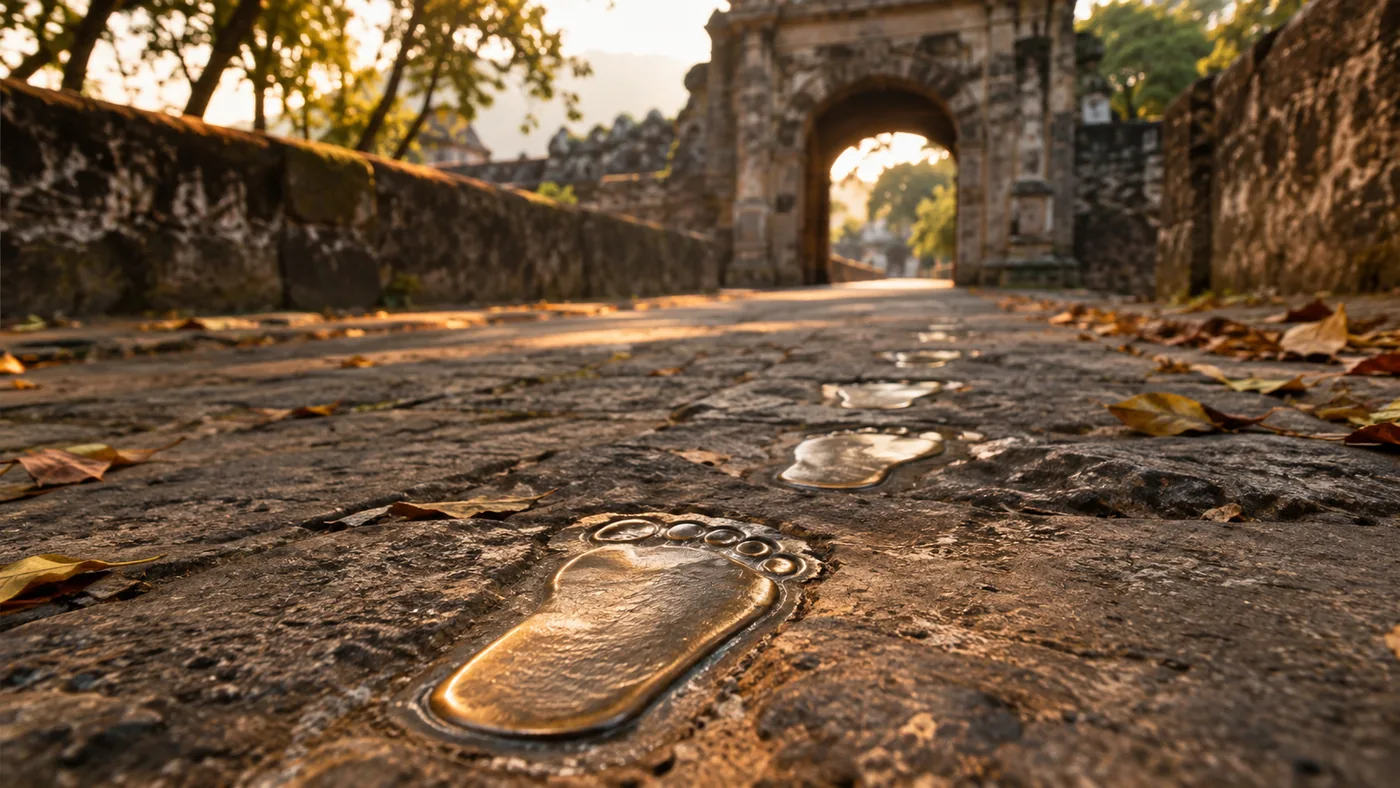
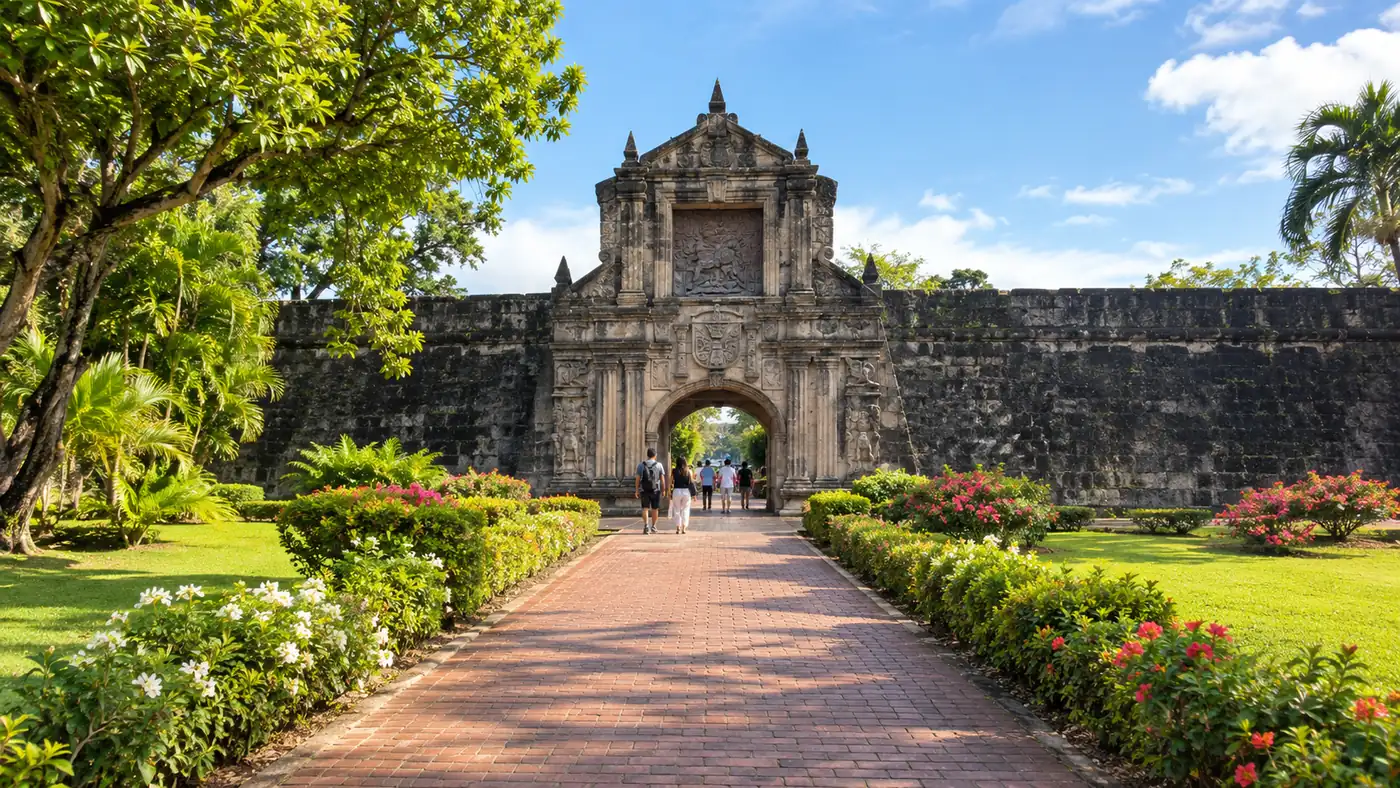
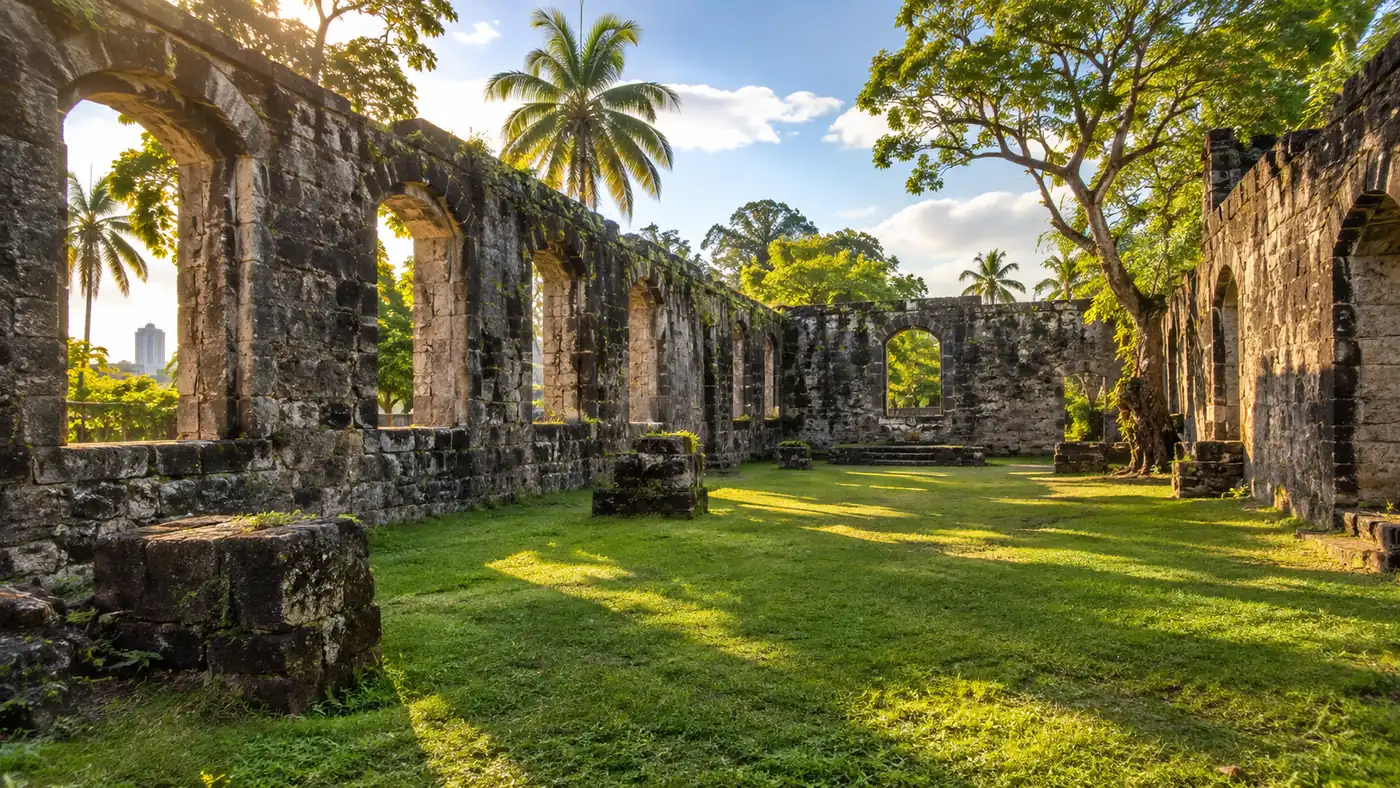
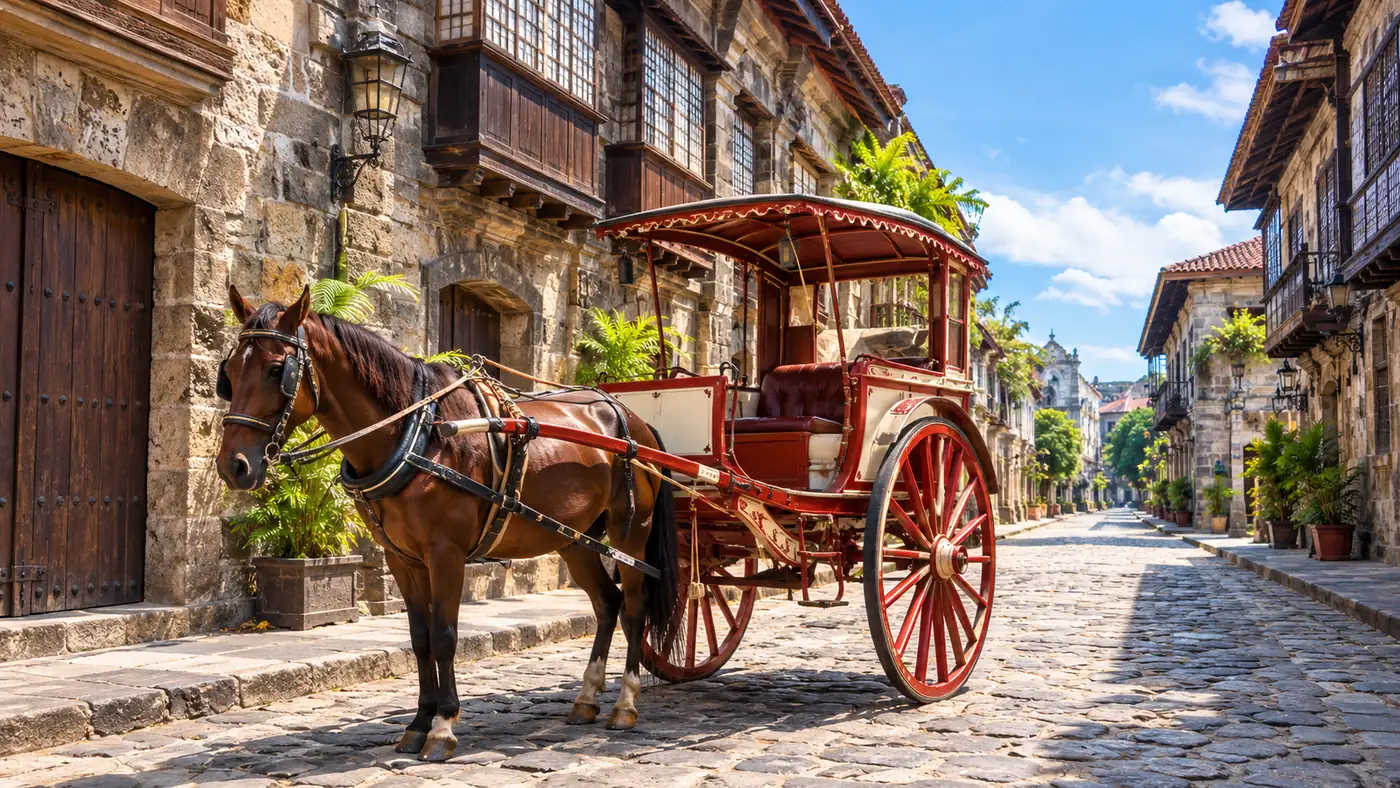
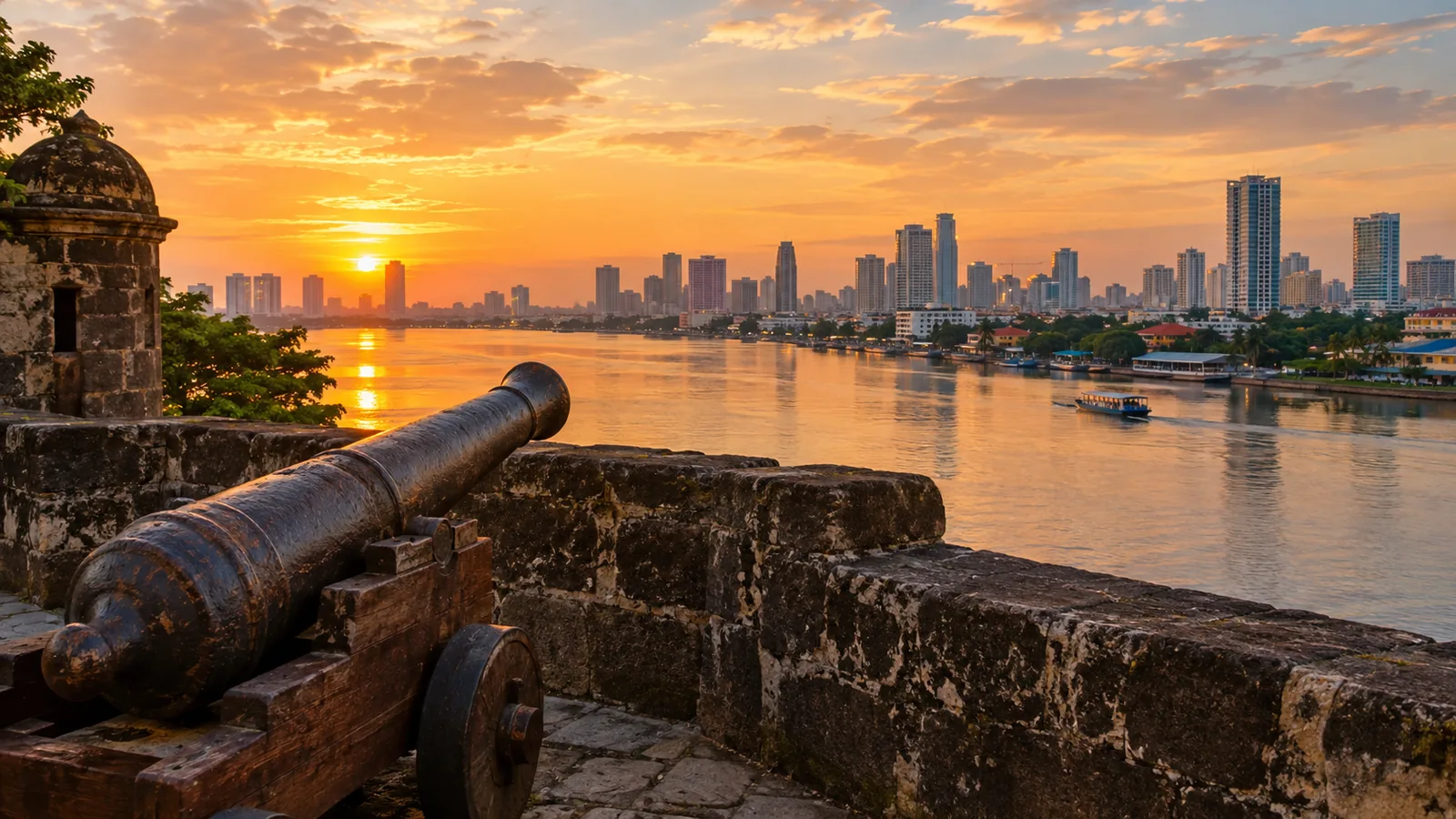
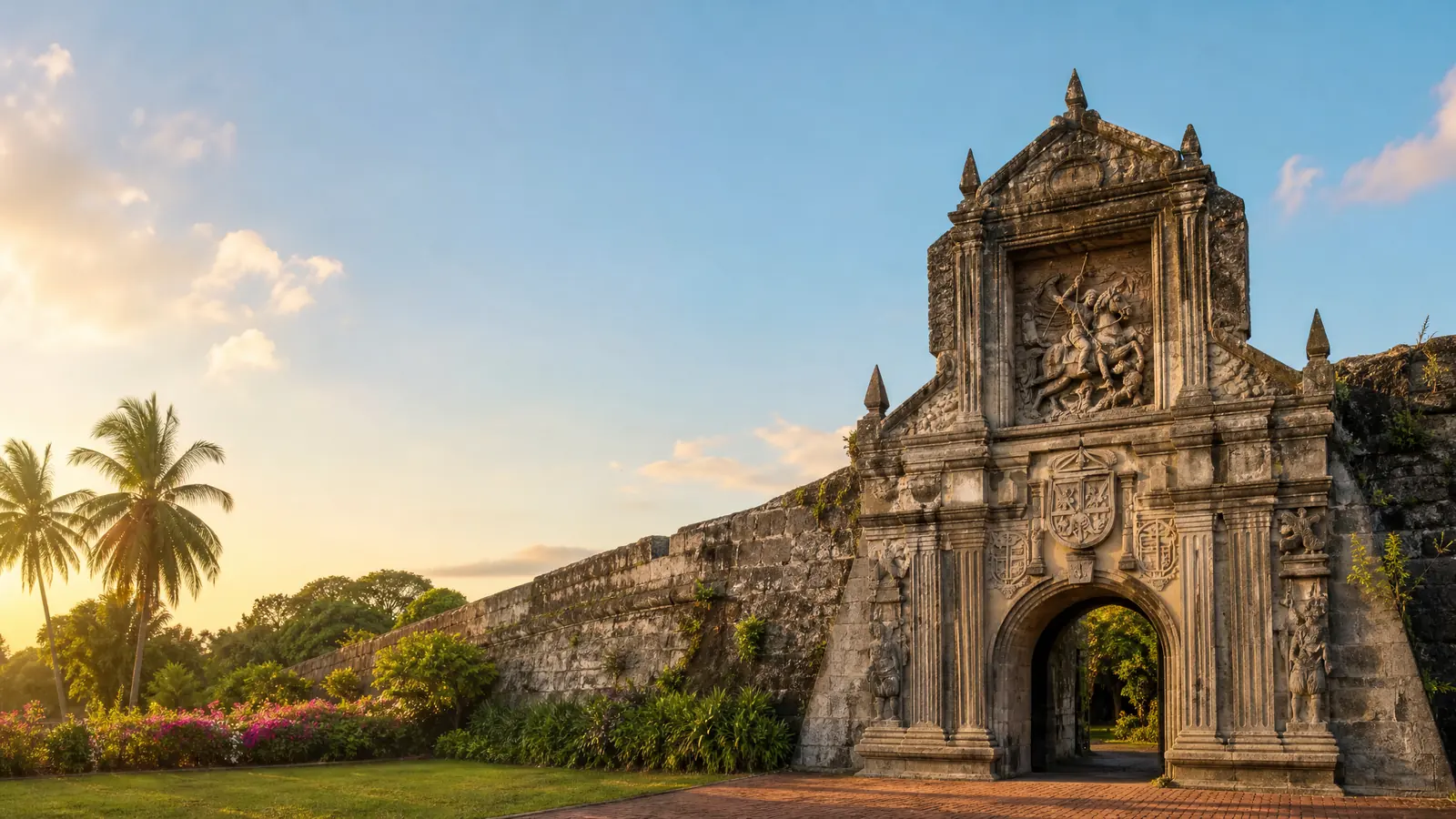
The main gate · the Rizal Shrine · the dungeons · the Pasig River
Visiting Fort Santiago
What your ticket covers, what is inside the walls, where Rizal spent his last days, how to get
there, and which tours add something you would miss on your own, compared honestly before you book.
Facts checkedHours, rules and history from the Intramuros Administration
Real guest ratingsLive GetYourGuide figures, shown as they are
Refund terms per tourEvery tour here refunds in full up to 24 hours ahead
Secure checkoutBook on GetYourGuide, instant mobile tickets
Tours
Choose your Fort Santiago tour
In the centre, the walking tour that spends a full hour inside the fort, entry included. On the
left, the walled city by bamboo bike. On the right, Fort Santiago and Intramuros as the evening cools.
Handmade bamboo bikes around the walled city with a guide, on a flat and easy route past the old gates, the cathedral and Fort Santiago. Cooler than walking, with ice cream at the end.
What's included
A local guide on the full three-hour route
A bamboo bike and a helmet, rain ponchos if needed
Entrance fees on the full tour; the two-hour express option skips Fort Santiago
A drinks stop halfway and an ice cream at the end
Starts at the Bambike shop across from San Agustin Church
A full hour inside Fort Santiago with a DOT-accredited guide, the dungeons and the bastion included, then Manila Cathedral and San Agustin on foot. Entry to the sites on the route is covered.
What's included
About an hour inside Fort Santiago with a DOT-accredited guide
The dungeons and the Baluarte de Santa Barbara
Manila Cathedral, the Memorare Manila 1945 memorial and San Agustin Church
Admission fees to the sites on the route
Bottled water; the tour starts at the Fort Santiago gate
Fort Santiago as the light goes, then the lit cathedral and San Agustin, with a guide who shows old photos of each place on a tablet. Cooler and calmer than a daytime walk in Intramuros.
What's included
An hour at Fort Santiago as evening falls, with a DOT-accredited guide
Manila Cathedral, Memorare Manila 1945 and San Agustin Church lit up
Admission fees to the sites on the route
Bottled water; meet at the Fort Santiago ticket booth in the late afternoon
Old photos on a tablet show the fort before the war
The first row is the honest baseline: Fort Santiago on your own is easy, with a low-cost ticket at the
gate and good signs inside. A tour adds a guide who tells the stories behind the walls, the dungeons and Rizal's
cell, a route through the rest of Intramuros, a bamboo bike, or a van from your hotel.
Option
Starts
Best for
Length
Rating
Cancel
On your own, no tour
Plaza Moriones, the fort entrance
Fort Santiago alone: a low-cost ticket at the gate, nothing to book
Check each tour's "What's included" box for the Fort Santiago entrance: the walking tours
and the full bike tour include it, the Chinatown tour and the heritage tour do not go inside. The Rizal Shrine
museum is closed on Mondays.
What the tour pages don't tell you
Easy on your own, richer with stories.
You do not need a tour to see Fort Santiago. There is nothing to book ahead: you buy a low-cost ticket
at the entrance on Plaza Moriones, and one ticket covers the grounds, the Rizal Shrine and the dungeons. Most
"Fort Santiago tours" are really Intramuros walks, bamboo bike rides or Manila city tours, and some of them
never go inside the fort at all.
What a good guide adds is the story: why Legazpi chose this corner of the river, what happened in the
dungeons in 1945, how Rizal's farewell poem left his cell hidden in a small stove. A guide also joins the fort
to the rest of Intramuros in one easy route. One thing no tour changes: the Rizal Shrine museum is closed on
Mondays, so plan a Rizal visit for another day.
1571
is when the Spanish built their first fort on this spot, where
Rajah Sulayman's palisade had guarded the mouth of the Pasig. The stone walls you see date from the early 1590s.
Tickets at the gateOpen every dayRizal Shrine closed MondaysTwo to three hoursEntrance on Plaza Moriones
The Rizal Shrine, rebuilt on the old barracks where he was held.
01
Tour or not?
On your own is easy; a guide adds the stories and the rest of Intramuros.
02
How long?
Two to three hours for the fort, half a day with Intramuros.
03
When?
Early morning or late afternoon; December to April for dry days.
04
Which day?
Any day but Monday if you want the Rizal Shrine museum.
How a visit works
From the gate to the river
Every visit follows the same order, whether you come alone or with a guide. Allow two to three
hours, and stay for the light over the Pasig if you come in the afternoon.
01
Ticket and gate
Buy your ticket at the booth on Plaza Moriones, in cash, GCash or Maya, then cross the moat to the carved main gate with Saint James on horseback.
A few minutes
02
Plaza de Armas
The old parade ground opens up inside, with the ruins of the barracks and the Rizal Shrine beside it. Follow the bronze footprints set in the ground.
About 20 minutes
03
The Rizal Shrine
His cell, the trial room, the small stove that hid his last poem and a vertebra with the bullet's mark. Closed on Mondays.
About 45 minutes
04
Dungeons and bastion
Duck into the dungeons, then climb the Baluarte de Santa Barbara for the view over the Pasig River where Manila began.
What the ticket covers, when the fort and the museum are open, and how to arrive.
One ticket: covers the grounds, the Rizal Shrine museum and the dungeons.
One rate: the same regular rate for Filipinos and foreign visitors, and one of the lowest-cost sights in Manila.
Reduced rate: for students, seniors and visitors with disabilities; bring a valid ID.
How to pay: at the entrance in cash, GCash or Maya, or reserve online through the Intramuros Administration.
Around it: no ticket is needed to walk the streets and walls of Intramuros or to enter Manila Cathedral.
Every day: the fort opens at 8 am on weekdays and 6 am at weekends.
Into the evening: the Intramuros Administration lists closing at 10 pm, with last entry from 8 pm; check its page before a late visit.
Rizal Shrine museum: Tuesday to Sunday, 9 am to 4 pm; closed on Mondays.
Dungeons: for visitors aged 13 and over, a few people at a time, in silence.
Typhoon days: sites can close when a storm signal is raised; check the official page first.
By train: LRT-1 to Central Terminal, then a riverside walk along the Pasig River Esplanade.
By Grab or taxi: ask for Plaza Moriones or Santa Clara Street, Intramuros.
By boat: the Pasig River Ferry stops at Escolta station on Muelle del Rio, a short walk away.
By car: the Intramuros Administration car park by the fort charges one flat rate however long you stay.
Inside Intramuros: walk, or take an e-trike, a pedicab or a kalesa; agree the fare before you ride.
Water and a hat: the lawns and walls have little shade at midday.
An umbrella: for sun or rain, and there is plenty of both in Manila.
Your ID: if you pay the reduced rate as a student, senior or visitor with a disability.
GCash, Maya or cash: for the ticket, a drink and a kalesa ride.
Comfortable shoes: the paths are stone, brick and grass, and the bastion has steps.
1571First fortLegazpi builds on Rajah Sulayman's palisade.
1590sStone wallsRaised under Governor Gómez Pérez Dasmariñas.
1762British captureManila is held by the British until 1764.
1896Rizal's cell56 days here before his execution on 30 December.
1945Battle of ManilaThe fort is left in ruins; hundreds die in the dungeons.
1951National ShrineDeclared a shrine of freedom, later restored.
Where it starts
Plaza Moriones, then the gate
Fort Santiago, Intramuros
Santa Clara Street corner General Luna Street, Intramuros, Manila
Fort Santiago stands at the northern tip of Intramuros, where the Pasig River meets the old city walls. You
enter from Plaza Moriones, a wide lawn at the end of General Luna Street, where the ticket booth sits before the
moat. The walking tours on this page meet right here, at the fort's entrance; the bamboo bike tours start at the
Bambike shop across from San Agustin Church, a ten-minute walk south, and the city tours pick you up at your
hotel. From LRT-1 Central Terminal, the riverside esplanade makes a pleasant walk to the fort.
4.9★★★★★ 197 reviews · Viva Old Manila walking tour GetYourGuide figure
★★★★★
Russell was incredible. He is deeply knowledgeable about Intramuros, Manila and Filipino history. He presented an incredibly well-researched tour and clearly has a deep passion for the history of his city.
★★★★★
Christian was such a wonderful host, very knowledgeable, and took time to explain the history of Intramuros as we biked around the fort. I highly recommend this tour for anyone visiting Manila, even on a long layover.
★★★★★
I liked the use of the tablet to show us images of what the Fort and other historical buildings looked like at different stages in the past. The pace was well suited to the group and we saw and learned so much.
★★★★★
It was a wonderful way to spend the morning, learning how much of the country's history played out in such a small area, relative to the size of the city today.
★★★★★
Amazing tour with Ellen, who was very kind and gentle in sharing some of the darker history of Fort Santiago. We learnt a lot and would recommend her tour.
★★★★★
Loved riding the traditional bamboo bikes. JD was very fun and knowledgeable, we went to all the must-see places in Intramuros, and we had a spectacular view of the sunset overlooking Manila.
★★★★★
Our guide Cedhie was really knowledgeable and friendly. The tour took in the main sites of Intramuros and gave a good overview of its history. Would recommend it to anyone spending a short time in Manila.
★★★★★
The staff were friendly, knowledgeable and attentive. The route is flat and easy, with regular stops to rest and listen to the guides' explanations.
★★★★★
Steve met us on time and led us through the history of Fort Santiago. He was very knowledgeable and personable, and it was great to see all the old images and the changes the buildings have gone through.
After the fort
Lunch across the river
Fort Santiago guarded the mouth of the Pasig, and across the water the Chinese quarter of Binondo
grew up at the same time. A short ride over the bridge, it is the best place in Manila for lunch after a morning
at the fort, and a food walk with a guide finds the old family kitchens.
Binondo Food Tour with Tastings
★ 4.8 · 51 reviews · GetYourGuide
Across the Pasig from Fort Santiago lies Binondo, founded in 1594 and often called the oldest Chinatown in the world. A guide walks you through its side streets for fresh lumpia, handmade dumplings, a bowl of mami, dim sum and hopia from an old bakery. Full refund if you cancel up to 24 hours ahead.
Fort Santiago is the stone citadel at the northern tip of Intramuros, the old walled city of
Manila, standing where the Pasig River meets Manila Bay. For more than four centuries it held soldiers, prisoners
and kings' officials; today it is a National Shrine, a quiet park of lawns and ruins, and the place where the
national hero José Rizal spent his last days.
Where Manila began
Before the Spanish came, this corner of the river was guarded by the wooden palisade of Rajah Sulayman, ruler of
the settlement of Maynila. In 1571 Miguel López de Legazpi took the site and founded the Spanish city of Manila,
building his own fort of logs and earth on the same spot. After a pirate attack destroyed it, the fort was rebuilt
in stone in the early 1590s under Governor Gómez Pérez Dasmariñas, using volcanic tuff, and named after Saint
James, Santiago, the patron of Spain.
Plaza de Armas, the old parade ground, in the calm of the morning.
Four flags over one gate
The fort changed hands more than once. British troops captured it in 1762 and held Manila for two years. The
American flag was first raised here in 1898, and American troops were quartered in its barracks. In the
Second World War the Japanese military police turned it into a prison, and in the Battle of Manila in February
1945 the fort was left in ruins; hundreds of prisoners died in its dungeons. A white cross on the grounds marks a
mass grave from those weeks. Declared a National Shrine in 1951, the fort was later restored, and since 1979 it has
been cared for by the Intramuros Administration.
The honest small print: few tours sold as "Fort Santiago tours" are about the fort alone.
The best of them spend an hour inside with the entry included; others are Intramuros bike rides or Manila city
tours that only pass the gate. If you just want the fort, buy your ticket at the entrance, watch the short film in
the visitor centre and follow the signs. A guide is worth it for the stories and for joining the fort to the rest
of Intramuros in one easy morning.
Rizal's last 56 days
José Rizal, the writer and doctor whose novels had stirred the Filipino reform movement, was held at Fort
Santiago from 3 November to 29 December 1896. He was tried for rebellion and sentenced to death. On his last
night he hid his farewell poem, now known as Mi Último Adiós, in a small alcohol stove that he gave to his sister.
On the morning of 30 December he walked from the fort to Bagumbayan, today Rizal Park, where he was shot. Bronze
footprints set into the ground trace that walk, and the Rizal Shrine keeps his cell, his belongings and a
vertebra with the mark of the bullet.
The bronze footprints that trace Rizal's last walk.
The dungeons and the bastion
Below the walls lie the dungeons, first built to store gunpowder and later used as prison cells, which you can
enter in small groups. At the other end of the fort, the Baluarte de Santa Barbara, the tallest bastion, looks over
the river where galleons once anchored, and the ruins of the royal warehouses stand nearby.
What to know in one line
Buy your ticket at the gate, come any day but Monday if you want the Rizal Shrine museum, allow two to three
hours, and bring water and an umbrella; the rest of Intramuros is waiting outside the gate.
Straight answers to what visitors ask most about Fort Santiago.
How much is the entrance fee for Fort Santiago?
It is one of the lowest-cost historic sites in Manila, and there is a single rate for Filipinos and foreign visitors. Students, seniors and visitors with disabilities pay a reduced rate if they show an ID. One ticket covers the grounds, the Rizal Shrine and the dungeons. Details in tickets and opening hours.
Do you need a ticket for Fort Santiago?
Yes, for the fort itself. Buy it at the entrance (cash, GCash or Maya) or reserve online through the Intramuros Administration. The streets and walls of Intramuros around it need no ticket at all.
Is Fort Santiago still open?
Yes. Fort Santiago is open every day in 2026, into the evening. The Rizal Shrine museum inside is closed on Mondays, and on days with a typhoon signal it is worth checking the Intramuros Administration page first.
Where do you enter Fort Santiago?
Through Plaza Moriones, at the corner of Santa Clara Street and General Luna Street, at the northern tip of Intramuros. The ticket booth is by the entrance, before the moat and the main gate.
Are Intramuros and Fort Santiago the same?
No. Intramuros is the whole walled city, with public streets, churches and museums, and walking it needs no ticket. Fort Santiago is the citadel at its northern tip, by the Pasig River, with its own ticket.
What is inside Fort Santiago?
The Rizal Shrine (Museo ni Rizal) with his cell, the bronze footprints of his last walk, the dungeons, Plaza de Armas, the Baluarte de Santa Barbara over the river, the ruins of the royal warehouses and a visitor centre. The full tour in what is inside Fort Santiago.
Is there a tunnel in Fort Santiago?
No tunnel is open to visitors. The underground part you can see is the dungeons, old powder stores that became prison cells. Wartime maps mention tunnels under Intramuros, but none is part of a visit.
How old is Fort Santiago?
The Spanish built their first fort here in 1571, on the site of the palisade of Rajah Sulayman. The stone walls you see were raised in the early 1590s, so the fort is more than 430 years old.
How long did Rizal stay in Fort Santiago?
José Rizal was held at Fort Santiago for 56 days, from 3 November to 29 December 1896. He spent his last night here and was executed at Bagumbayan, now Rizal Park, on the morning of 30 December. His story in Rizal in Fort Santiago.
How can I get to Fort Santiago?
Take LRT-1 to Central Terminal and walk along the Pasig River Esplanade, or take a Grab to Plaza Moriones. The Pasig River Ferry stops at Escolta station, a short walk away. Every route in how to get to Fort Santiago.
Where can you park at Fort Santiago?
The Intramuros Administration car park by the Fort Santiago entrance charges one flat rate however long you stay, usually the cheapest choice. Hotel and private lots nearby cost more or are for guests only.
Is Fort Santiago worth visiting?
Yes. For a low ticket you get the place where Manila began, the room where Rizal spent his last days, the wartime dungeons and a river view, in two to three hours. More in is Fort Santiago worth it.
Ready to go
Through the gate, into history.
Or go with a guide who knows the stories: instant mobile tickets on GetYourGuide, with the refund terms on every tour.

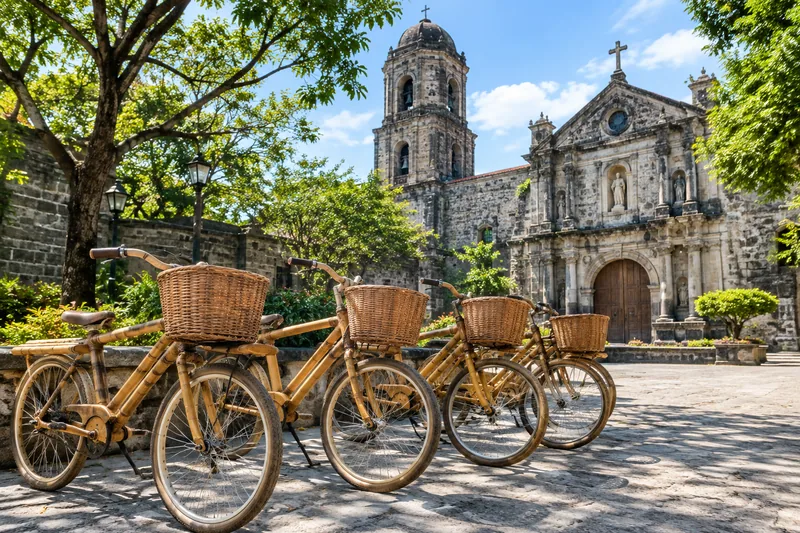 By bamboo bike
★ 4.83 hours683 reviews
By bamboo bike
★ 4.83 hours683 reviews