Booking choice: The Viva Old Manila walking tour, ★ 4.9 (197). Check dates Compare the options below
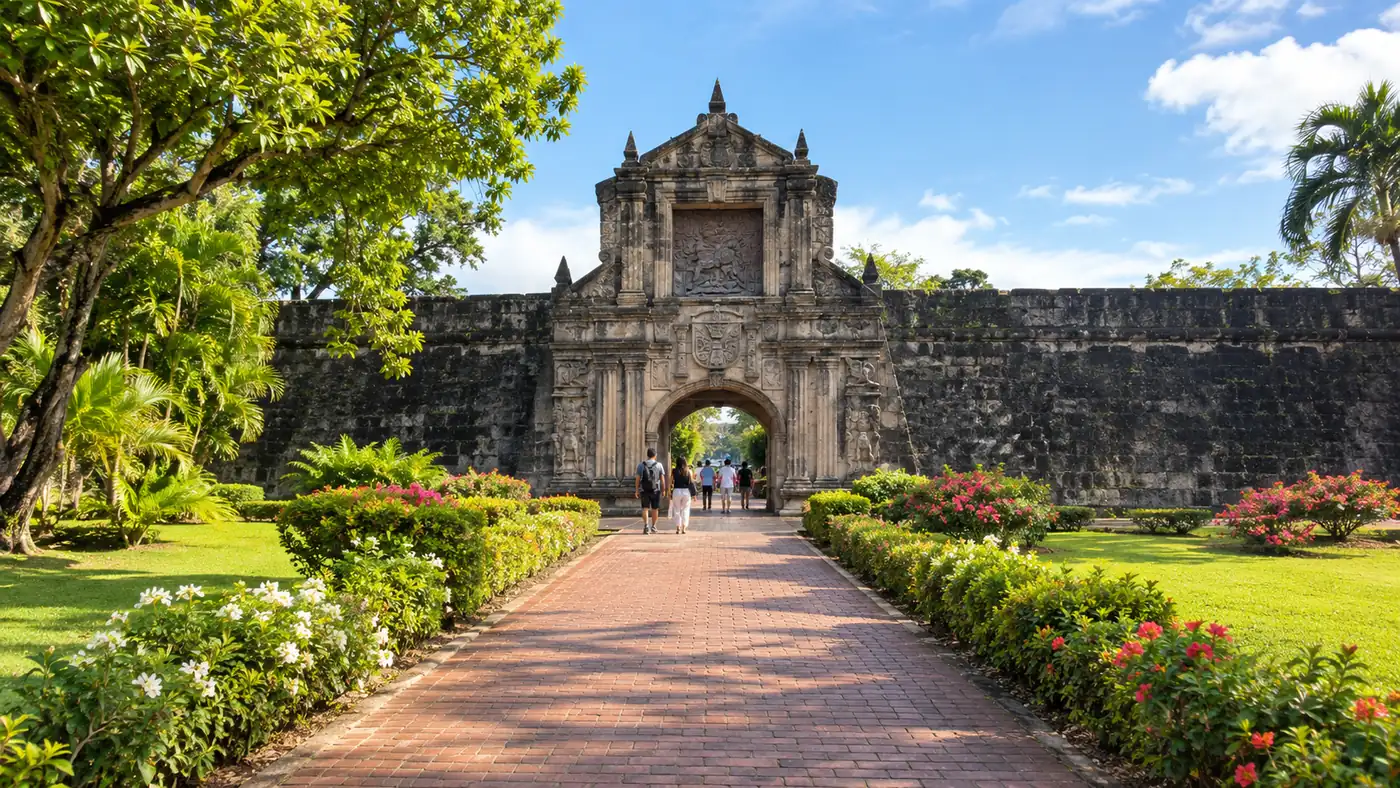
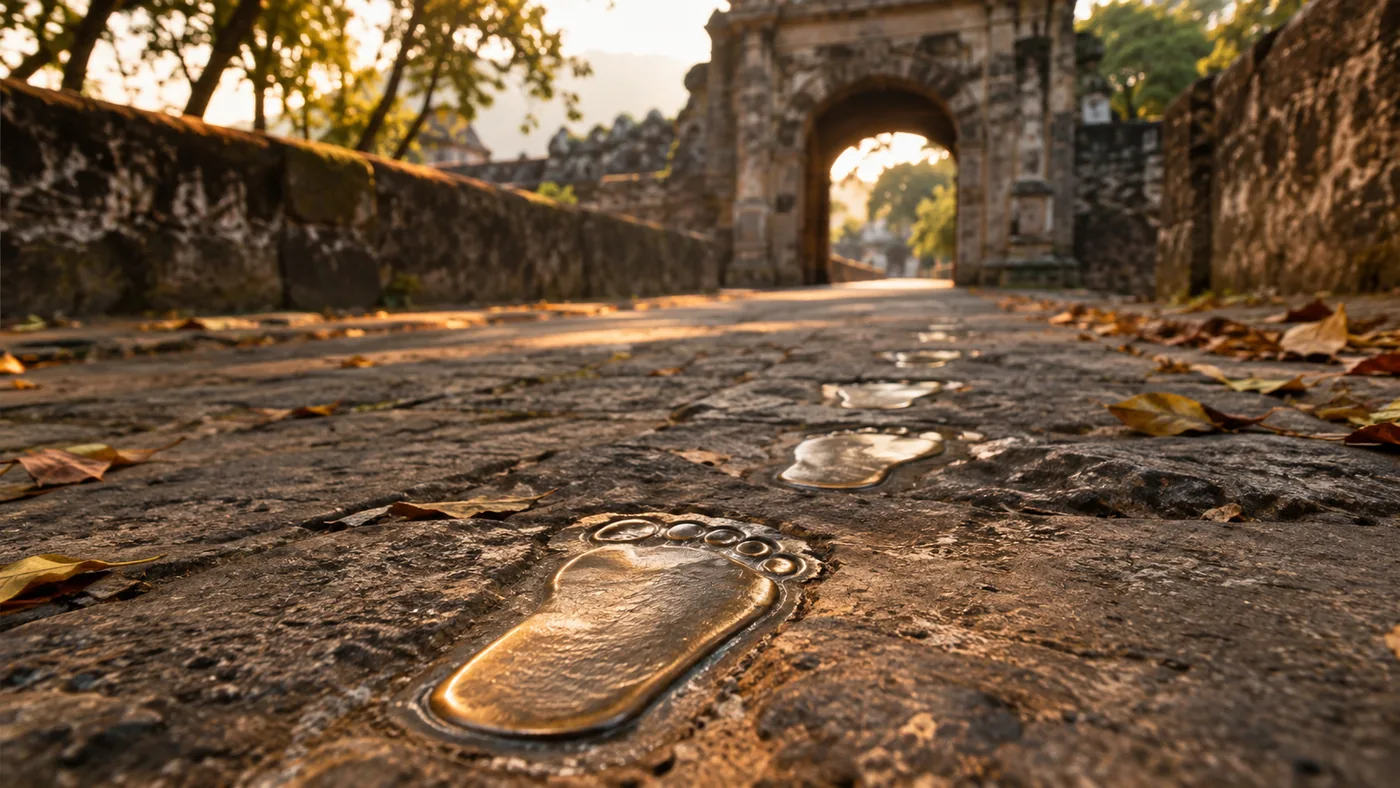
For many Filipinos, Fort Santiago is first of all the place of Rizal's last days. The rebuilt Spanish barracks where he was held is now a museum, and the path he took on his last morning is marked in bronze. It is a quiet part of the visit, and most people slow down here.
This guide follows his time in the fort in order: why he was there, the trial, the last night and the poem, the walk to Bagumbayan, what the Rizal Shrine shows today, and how to continue to Rizal Park. The rest of the fort is in what is inside Fort Santiago, and the ticket is explained in the entrance fee and opening hours guide.
The quick answer
Time in the fort: 56 days, from 3 November to 29 December 1896. Last night: in Fort Santiago, where he wrote Mi Último Adiós and hid it in a small alcohol stove given to his sister Trinidad. 30 December 1896: he walked from the fort to Bagumbayan, now Rizal Park. In the fort today: the Rizal Shrine (Museo ni Rizal), run by the NHCP in a rebuilt Spanish barracks, with his cell, the trial room, the alcohol stove, a vertebra with bullet damage, personal items and the mural of his martyrdom by Carlos Francisco. Outside, bronze footprints trace his last walk. Hours: Tuesday to Sunday, 9 am to 4 pm; closed on Mondays. Ticket: included in your Fort Santiago ticket. Allow about 45 minutes for the shrine and the footprints.
How long did Rizal stay in Fort Santiago before his death?
56 days, from 3 November to 29 December 1896. He spent his last night in the fort and left it on the morning of 30 December.
The table follows the last weeks of his life, from his arrest to 30 December 1896. The dates in the fort are those given by the Intramuros Administration.
| Date | What happened |
|---|---|
| October 1896 | Rizal is arrested on his way to Spain, where he planned to travel on as a volunteer doctor in Cuba, and is sent back to Manila by ship. |
| 3 November 1896 | He arrives in Manila and is held at Fort Santiago. |
| November and December 1896 | He is questioned and charged in connection with the revolution that began in August 1896. |
| 26 December 1896 | A military court tries him and sentences him to death. |
| 29 December 1896 | His last full day and night in the fort. Family members visit, and he gives his sister Trinidad the small alcohol stove with the poem inside. |
| 30 December 1896 | Early in the morning he walks from the fort to Bagumbayan, now Rizal Park, where he is executed shortly after 7 am. |
The fort and Rizal's cell with a DOT-accredited guide, then the rest of the walled city on foot, with admission fees included.
Check dates for the Viva Old Manila walking tourWhy was Rizal imprisoned in Fort Santiago?
The Spanish authorities accused him of links to the revolution against Spanish rule that began in August 1896. Fort Santiago was the main military stronghold of Manila, and he was held there until his trial.
Rizal was a doctor, a novelist and a reformer. His two novels, Noli Me Tángere and El Filibusterismo, criticised abuses under Spanish rule, and he had already been exiled once, to Dapitan in Mindanao. When the revolution broke out, he was on his way to Spain. He was arrested and brought back to Manila, and the fort became his prison while the case against him was prepared.
He had not led the revolution, and he had written against an armed uprising. Historians still discuss how the case was built. What the fort shows is simpler: the room where he waited, and the path he walked at the end.
What happened at Rizal's trial?
On 26 December 1896 a military court tried Rizal on charges of rebellion, sedition and forming illegal associations, and sentenced him to death. The Rizal Shrine has a room about the trial.
The trial lasted one day. Rizal was defended by an army officer assigned to him, and he wrote his own statement of defence. The sentence was confirmed within days. In the shrine, the trial room helps you picture the court-martial, and the texts explain the charges and the defence.
Read slowly here. The museum is small, and the story is told in a few rooms, so it is easy to rush. Most visitors find that 30 to 45 minutes is right.
How did Mi Último Adiós leave Fort Santiago?
Rizal wrote the poem during his last hours in the fort and hid it in a small alcohol stove. He gave the stove to his sister Trinidad, and the family found the poem inside after his death.
The poem has no title in the original. It was later called Mi Último Adiós, My Last Farewell. It is written in Spanish, in 14 stanzas, and speaks to his country rather than to any one person. Filipino students learn it at school, and many can recite parts of it.
The alcohol stove is on display in the Rizal Shrine. It is a small, plain object, and it is one of the pieces people come to see. Rizal Day, 30 December, is a national holiday in the Philippines.
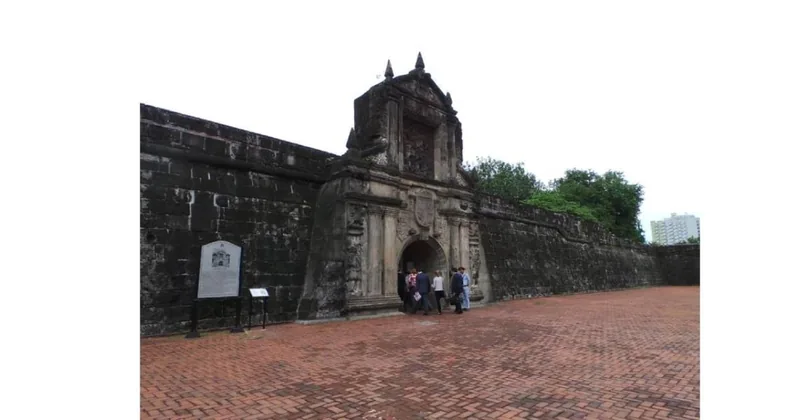
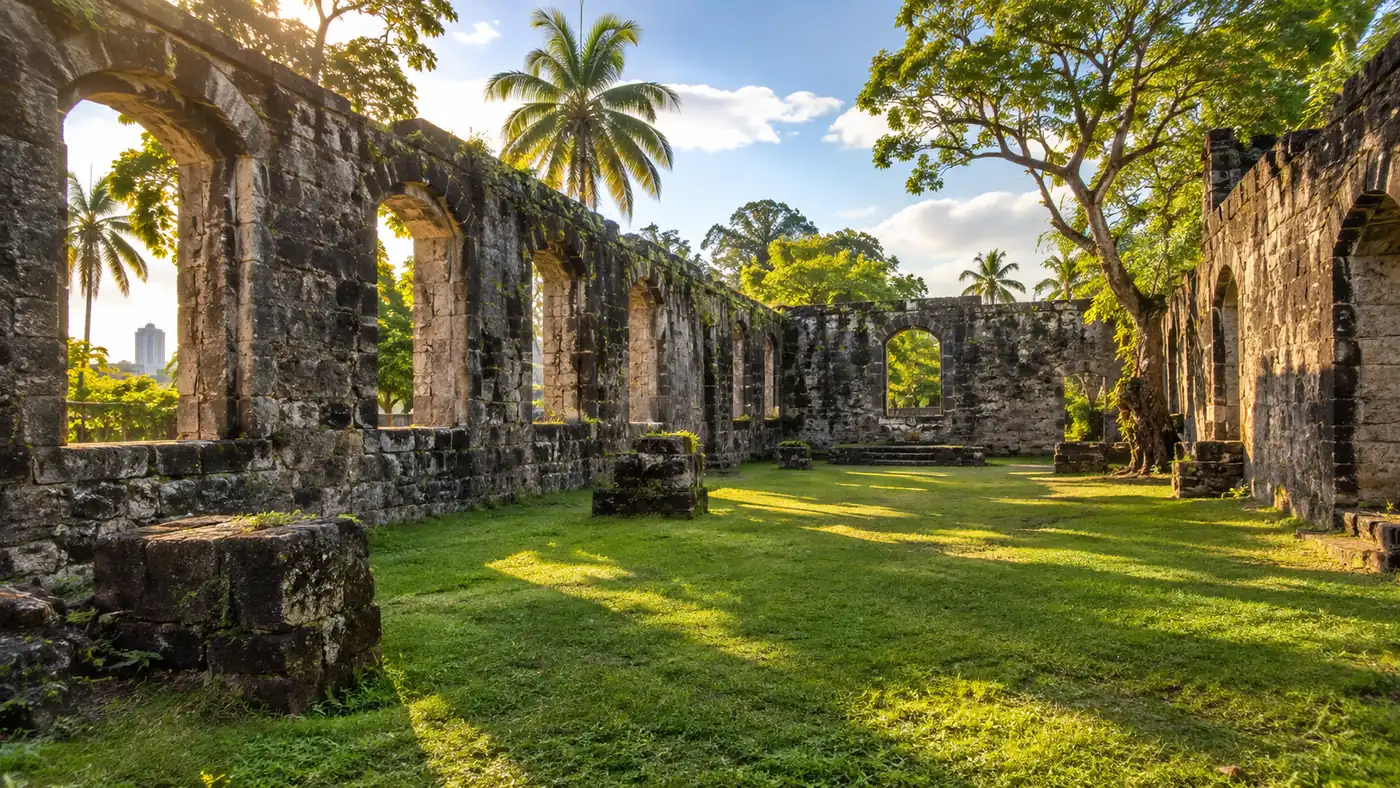
One hour inside the fort only, with a guide: the dungeon, the ruins of the American barracks and Rizal's prison cell. Only one review so far (5.0); check whether the ticket is included.
Explore the one-hour Fort Santiago tourWhere do Rizal's footprints in Fort Santiago lead?
The bronze footprints set into the ground trace his last walk on 30 December 1896, from his cell toward the gate and on toward Bagumbayan, now Rizal Park.
You find the first footprints near the Rizal Shrine, and they lead across the fort toward the exit. Most visitors walk beside them in silence for a while. Please do not stand on them for photos: they are a memorial.
Rizal walked this route at dawn, under guard, to Bagumbayan, the open ground outside the walls that is now Rizal Park. The footprints are best in the soft light of early morning or late afternoon.
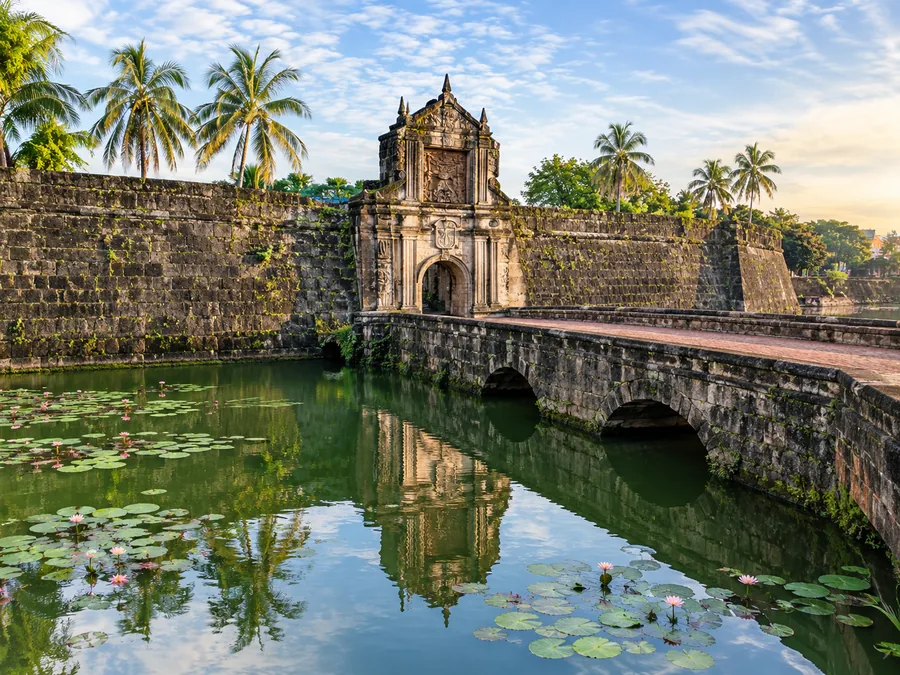
What can you see inside the Rizal Shrine?
His cell, the trial room, the alcohol stove that hid Mi Último Adiós, a vertebra with bullet damage, his personal items and the large mural of his martyrdom by Carlos Francisco.
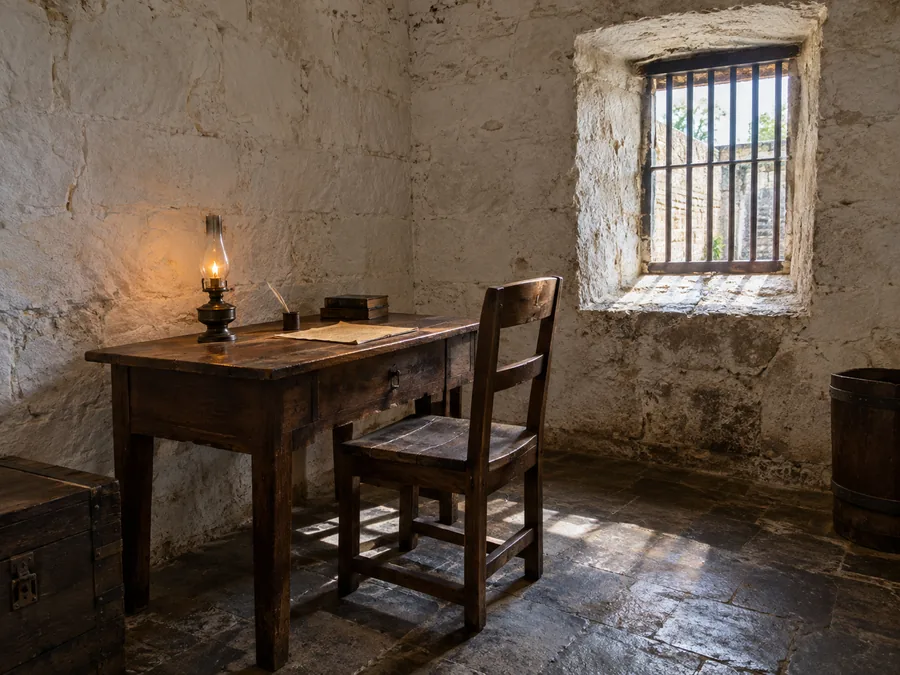
- The cell: the room where he was held, with a desk and simple furniture.
- The trial room: the story of the court-martial of 26 December 1896.
- The alcohol stove: the small stove that carried the poem out of the fort.
- The vertebra: a bone from his spine, with the damage of the bullet. The Intramuros Administration calls it the most important object on display.
- Personal items: clothing, fencing gear, surgical instruments and artworks, which show the doctor, the writer and the artist.
- The mural: Carlos Francisco's large painting of his martyrdom.
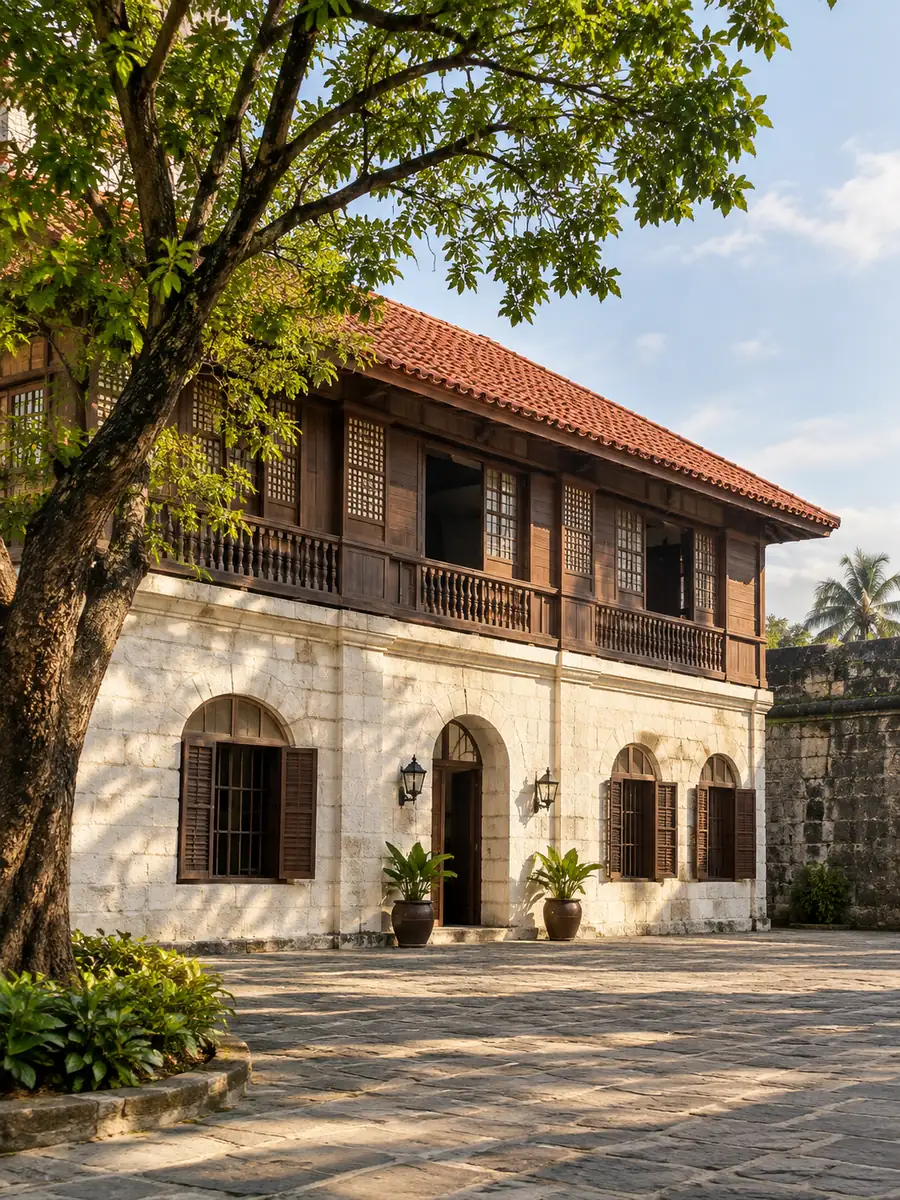
The building is a Spanish barracks rebuilt after the war, run by the NHCP, the national history agency. The official description is on the Intramuros Administration page.
When should you visit the Rizal Shrine?
Tuesday to Sunday, between 9 am and 4 pm; it is closed on Mondays. Come in the morning, when it is cooler and quieter, and allow 30 to 45 minutes.
- Ticket: the museum is included in your Fort Santiago ticket. You buy that at the entrance on Plaza Moriones.
- Mondays: the fort is open every day, but the Rizal Shrine is closed on Mondays.
- Timing: arrive before 3:30 pm to see it without hurrying.
- Manner: speak softly and follow the staff's instructions. It is a place of remembrance inside a National Shrine.
- 30 December: Rizal Day brings ceremonies in Manila; expect more visitors and check the hours first.
If you want someone to tell the story as you walk, a DOT-accredited guide can be hired at the booth inside the fort, or the evening walking tour spends about an hour at Fort Santiago before moving on to the cathedral. Note that the evening tour arrives after the museum closes, so plan your own visit earlier in the day.
How do you continue from Fort Santiago to Rizal Park?
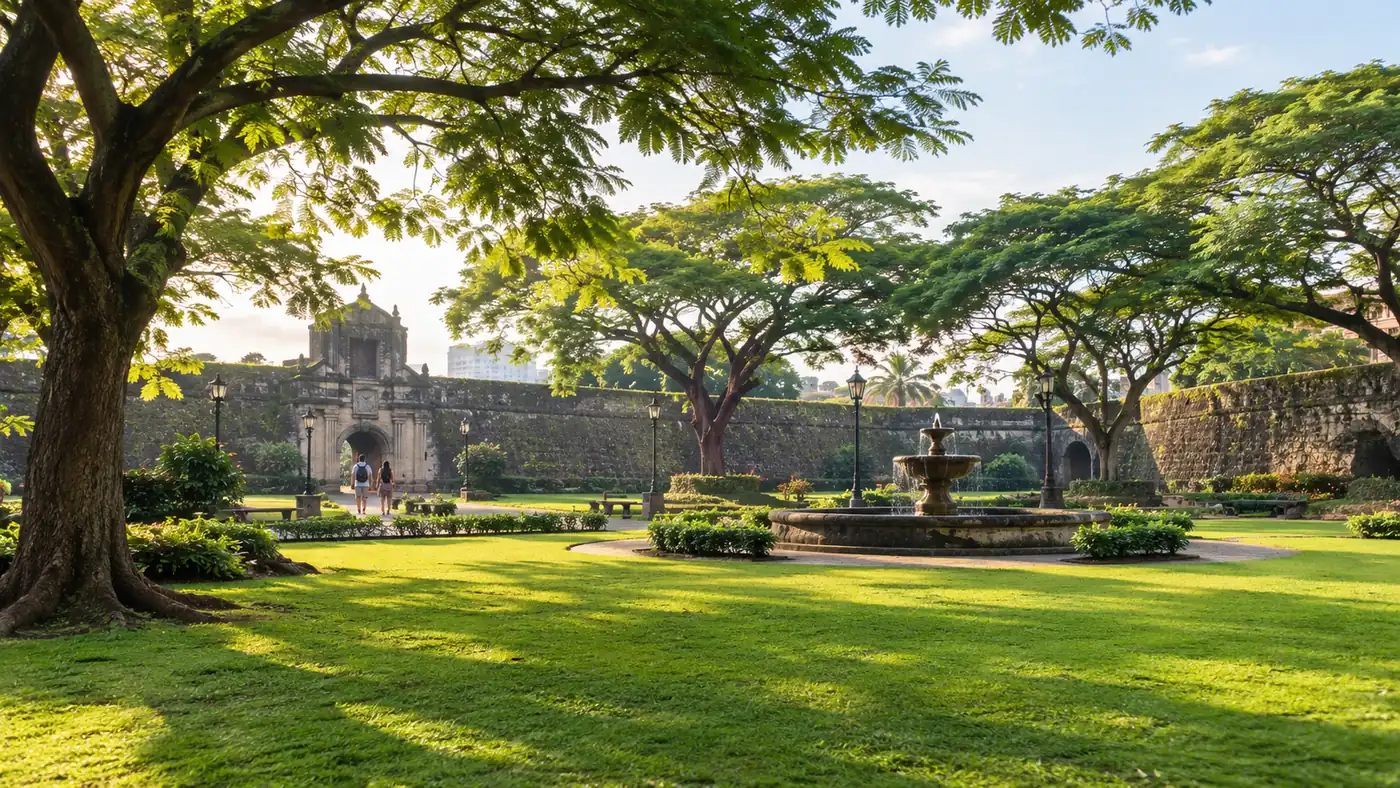
Rizal Park, the former Bagumbayan, is a short ride south of Intramuros. The Rizal Monument there stands over his remains and marks the end of the walk that began in the fort.
A Grab ride from Plaza Moriones takes a few minutes, traffic allowing, and you can also walk through Intramuros and out of its southern gates. The monument is guarded by a ceremonial guard, and the park around it is a wide, open green space. Seeing the fort and the park on the same day completes the story.
The Manila Old and New city tour (4.5 from 486 reviews) visits Rizal Park and Fort Santiago in one trip, with hotel pickup in an air-conditioned van and entrance fees included. The other routes to the fort are in how to get to Fort Santiago.
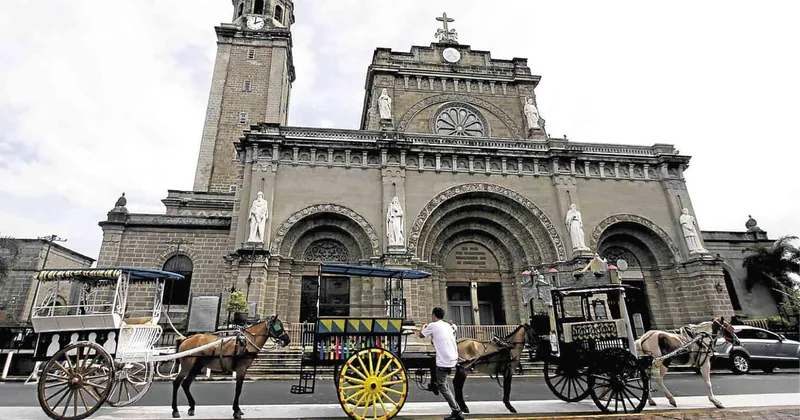
Rizal Park and Fort Santiago in one morning or afternoon, with hotel pickup in Makati or the Bay area, a licensed guide and all entrance fees included. Rated 4.5 from 486 reviews.
Explore the Old and New Manila city tourFrequently asked questions
Is the Rizal Shrine included in the Fort Santiago ticket?
Yes. The Rizal Shrine (Museo ni Rizal) is included in your Fort Santiago ticket. There is nothing extra to buy.
Is the Rizal Shrine open on Mondays?
No. The Rizal Shrine is open Tuesday to Sunday, 9 am to 4 pm. The rest of Fort Santiago is open every day.
How long should I plan for the Rizal Shrine?
About 30 to 45 minutes for the museum, plus a few minutes to follow the bronze footprints. Arrive before 3:30 pm, as it closes at 4 pm.
Where was Mi Último Adiós found?
Inside a small alcohol stove that Rizal gave to his sister Trinidad on his last evening. The stove is on display in the Rizal Shrine.
Ready to book
Choose your tour
Check your date and the live price on GetYourGuide; the refund terms are shown on each option.
Viva Old Manila! Intramuros Walking Tour
- About an hour inside Fort Santiago with a DOT-accredited guide
- The dungeons and the Baluarte de Santa Barbara
- Manila Cathedral, the Memorare Manila 1945 memorial and San Agustin Church
Fort Santiago Guided Tour
One hour inside the fort only: the dungeon, the American barracks and Rizal's cell, with a guide
Manila Old & New City Tour
An air-conditioned van from your hotel to the American Cemetery, San Agustin and Fort Santiago, entry fees included